When importing charcoal, product quality depends on more than just production standards. Even high-quality charcoal can be affected by moisture, package damage, and handling issues during transportation.
A typical charcoal shipment may spend 30 to 60 days at sea, facing changing temperatures, container condensation, rough handling, and multiple loading operations. Without proper protection, these conditions can damage packaging, affect product performance, and create unnecessary losses for importers.
At Hapros, we apply a range of preventive measures before and during shipment to minimize these risks. While the same principles apply to most charcoal products, we will use sawdust charcoal as an example throughout this article, as it is one of the products we export most frequently.
Common Risks When Shipping Charcoal by Sea
Ocean transportation exposes charcoal to several potential risks that may affect both the product and its packaging.
Moisture and Container Condensation
One of the biggest challenges in charcoal shipping is moisture.
During long ocean voyages, temperature differences between day and night can create condensation inside the container, a phenomenon often referred to as "container rain." Water droplets may form on the container walls and ceiling before falling onto the cargo.
For products such as sawdust charcoal, excessive moisture can affect packaging quality and reduce customer satisfaction upon arrival.
Wet Containers
Not all containers arrive in perfect condition. Some containers may have been washed before reuse, leaving residual moisture on the floor or walls.
If this moisture is not detected before loading, it can become a source of damage during transportation.
Compression and Rough Handling
Charcoal cargo is often handled multiple times throughout the logistics chain. Weak packaging may collapse under stacking pressure or become damaged during loading and unloading operations.
Container Leakage
Damaged door seals, roof panels, or side walls can allow rainwater and external moisture to enter the container during transit.
Contamination Risks
Containers previously used for other cargo may contain dust, odors, or residues that could affect the cleanliness of charcoal shipments if proper inspection is not carried out.
How Hapros Protects Your Charcoal
1. Selecting the Right Packaging for Each Product
Different charcoal products require different packaging solutions.
Before production begins, our team advises customers on the most suitable packaging method based on product type, target market, transportation requirements, and distribution channels.
Heavy-Duty Carton Packaging
For charcoal packed in cartons, Hapros uses:
Strong 5-layer corrugated cartons for superior stacking strength.
Moisture-resistant inner liners.
Reinforced carton construction to minimize deformation during transportation.
UN-certified cartons when required for dangerous goods shipments.
This packaging option is commonly used for distributors, wholesalers, and horeca customers.
PP Woven Bags
For bulk charcoal shipments, we offer:
Durable PP woven bags.
Moisture-resistant inner liners.
Reinforced stitching and sealing
This solution is widely used for wholesale and industrial customers who prioritize cost efficiency and cargo durability.
Retail-Ready Kraft Paper Packaging
For customers supplying supermarkets, retail stores, and consumer markets, charcoal is often packed in kraft paper bags ranging from 1 kg to 7 kg.
This packaging provides an attractive appearance, improves consumer convenience, and offers excellent opportunities for branding.
To ensure safe transportation, the retail bags are further protected inside larger master cartons, reducing the risk of tearing, crushing, and moisture exposure during shipment.
2. Container Inspection Before Loading
Before loading any charcoal shipment, every container undergoes a thorough inspection.
Floor Moisture Check
Our team carefully checks the container floor for signs of moisture or recent washing. Containers that do not meet our standards are rejected or dried before loading.
Structural Inspection
We inspect:
Roof panels
Side walls
Door seals
Ventilation areas
Any container showing signs of leakage or structural damage is not used.
Cleanliness Verification
We ensure the container is free from:
Odors
Dust contamination
Previous cargo residues
Foreign materials
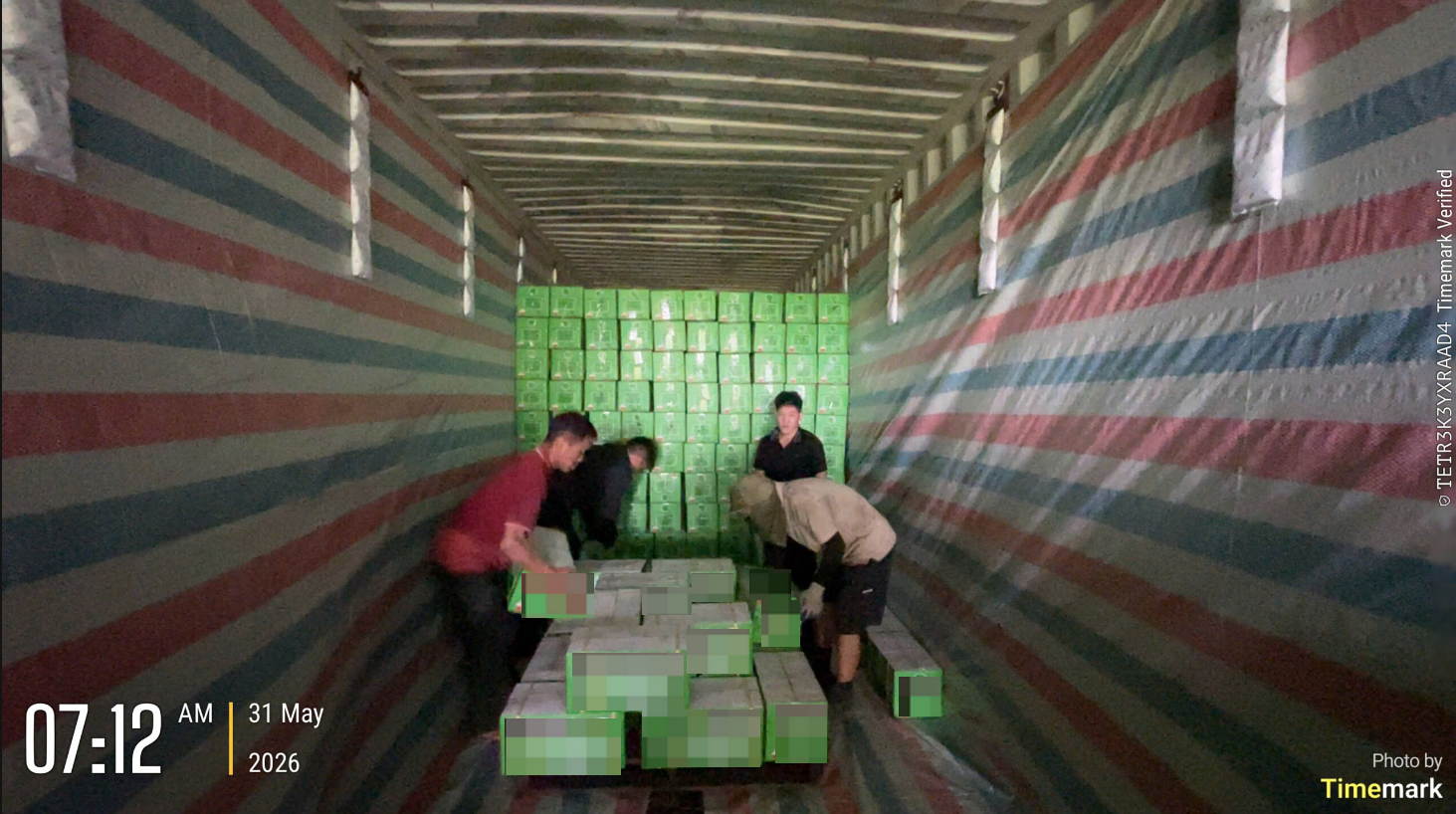
3. Additional Protection Measures Inside the Container
Container Desiccants
To control humidity during ocean transportation, Hapros uses specialized container desiccants.
These moisture-absorbing products help reduce condensation and protect both the charcoal and its packaging throughout the voyage.
Shipping Line Approved Protective Blankets
For selected shipments, Hapros can arrange specialized protective blankets approved by shipping lines for cargo protection during ocean transportation.
Installed between the cargo and the container structure, these protective blankets provide an additional barrier against moisture and condensation that may develop inside the container during long voyages.
Key benefits include:
Reducing the risk of moisture exposure from container walls and ceilings.
Helping protect packaging from condensation damage.
Minimizing charcoal dust contact with the container interior.
Providing an additional layer of protection for sensitive or dangerous goods cargo.
Keeping the container cleaner, which may reduce cleaning requirements and related costs when the empty container is returned at destination.
When combined with container desiccants and proper cargo securing methods, these protective blankets contribute to a safer and more reliable charcoal shipment.
Palletization
When suitable for the shipment, pallets are used to:
Improve cargo stability.
Reduce carton damage.
Facilitate forklift handling.
Minimize loading and unloading risks.
Improve warehouse efficiency.
Cargo Securing
Proper blocking, bracing, and cargo securing techniques are applied to reduce movement during transportation.
This helps prevent package shifting and minimizes the risk of damage caused by vessel motion.
Advice for Charcoal Importers
When purchasing charcoal, price should not be the only factor considered.
Before placing an order, importers should ask their supplier:
What type of packaging will be used?
How is moisture controlled during shipping?
Are container inspections conducted before loading?
Will desiccants be installed?
Are pallets available if required?
What measures are taken to prevent cargo damage during transportation?
A reliable charcoal supplier should be able to clearly explain how the cargo will be protected throughout the shipping process.
Our Commitment
At Hapros, protecting charcoal does not start when the container leaves the port—it starts long before loading begins.
From packaging selection and container inspection to moisture control and cargo securing, every step is designed to help ensure that your charcoal arrives safely, cleanly, and in excellent condition.
Because delivering quality charcoal means delivering it in the same condition our customers expect when it reaches its destination.