When buying sawdust charcoal, many importers focus on specifications such as burning time, ash content, fixed carbon, or size.
But there is one factor that is often overlooked:
The raw material.
Two suppliers may offer sawdust charcoal with the same specifications on paper, but the actual performance can be very different. The reason often starts with what kind of biomass was used to produce the charcoal.
1. Raw Material Is the Foundation of Charcoal Quality
The basic production process is simple:
Raw material → Sawdust briquette → Carbonization → Sawdust charcoal
Learn more about: The Production Process of Sawdust Charcoal in Vietnam
Carbonization changes the physical and chemical properties of the biomass, but it does not completely eliminate the characteristics of the original raw material.
Wood species, density, moisture, mineral content, and cleanliness can all influence the final charcoal.
That is why quality control should start before carbonization, not only after the charcoal has been produced.
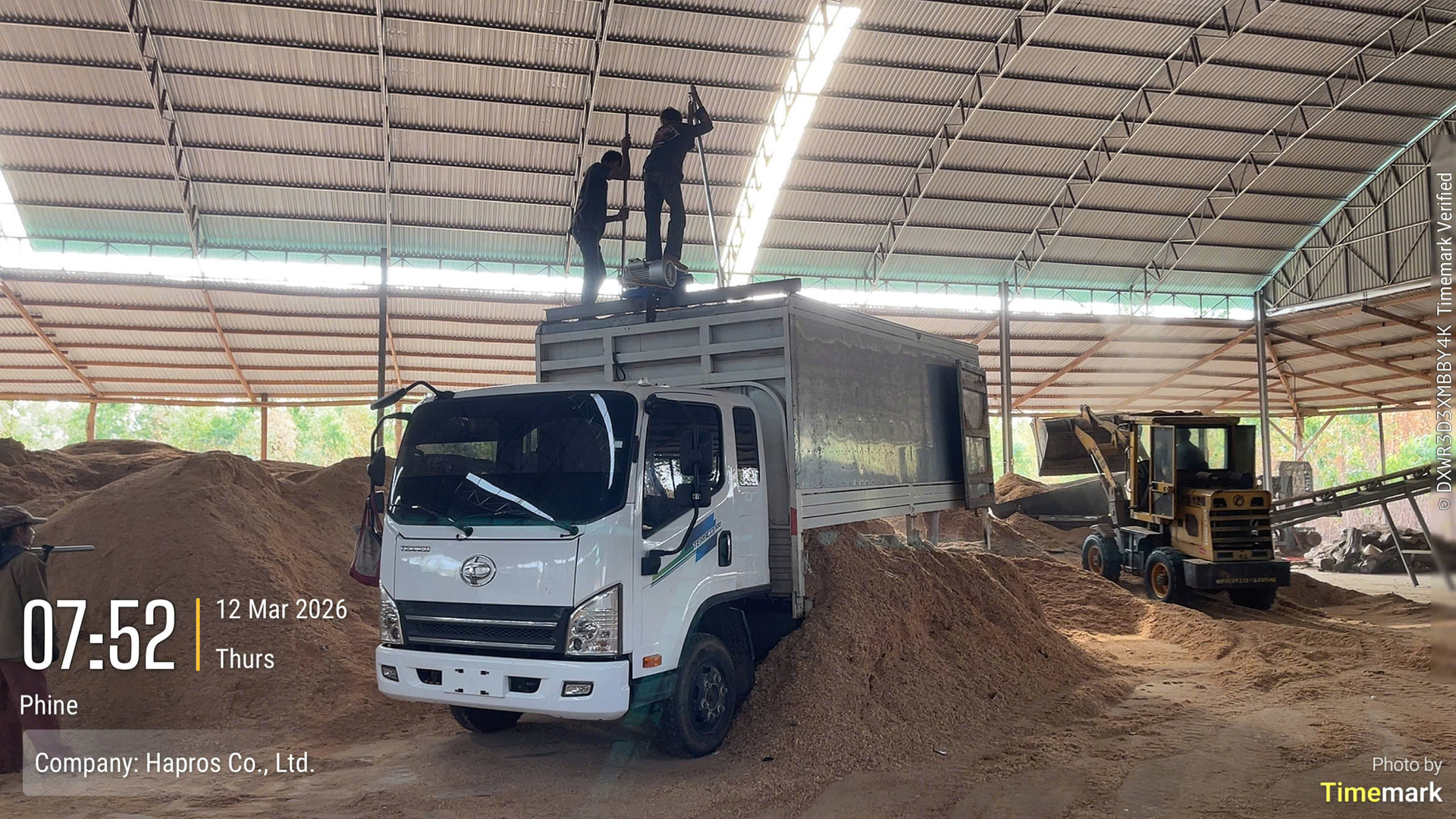
2. Different Wood Species Can Produce Different Results
Not all wood has the same characteristics.
Dense hardwoods, for example, generally have a different structure and density compared with lighter woods. Bamboo also has different characteristics from wood.
These differences can influence:
Burning time
Heat performance
Charcoal density
Ash characteristics
Burning stability
Smoke and odor
Overall consistency
This is why simply asking for “100% natural sawdust charcoal” is not always enough.
An importer should also understand what the sawdust actually comes from.
3. Raw Material Can Affect Ash Characteristics
Ash is one of the easiest characteristics for an end customer to observe.
Different types of biomass contain different amounts and combinations of naturally occurring minerals. After combustion, these minerals remain in the ash and can influence its appearance.
As a result, charcoal made from different wood species may produce different ash colors.
For example, some hardwood-based charcoal can produce relatively white ash, while other raw materials may produce greyish or yellowish ash.
You may want to read: Why Does Vietnamese Sawdust Charcoal Produce Yellow Ash?
However, ash color alone should not be used to determine whether charcoal contains chemicals or additives.
A better approach is to evaluate the complete sawdust charcoal specifications and production process.
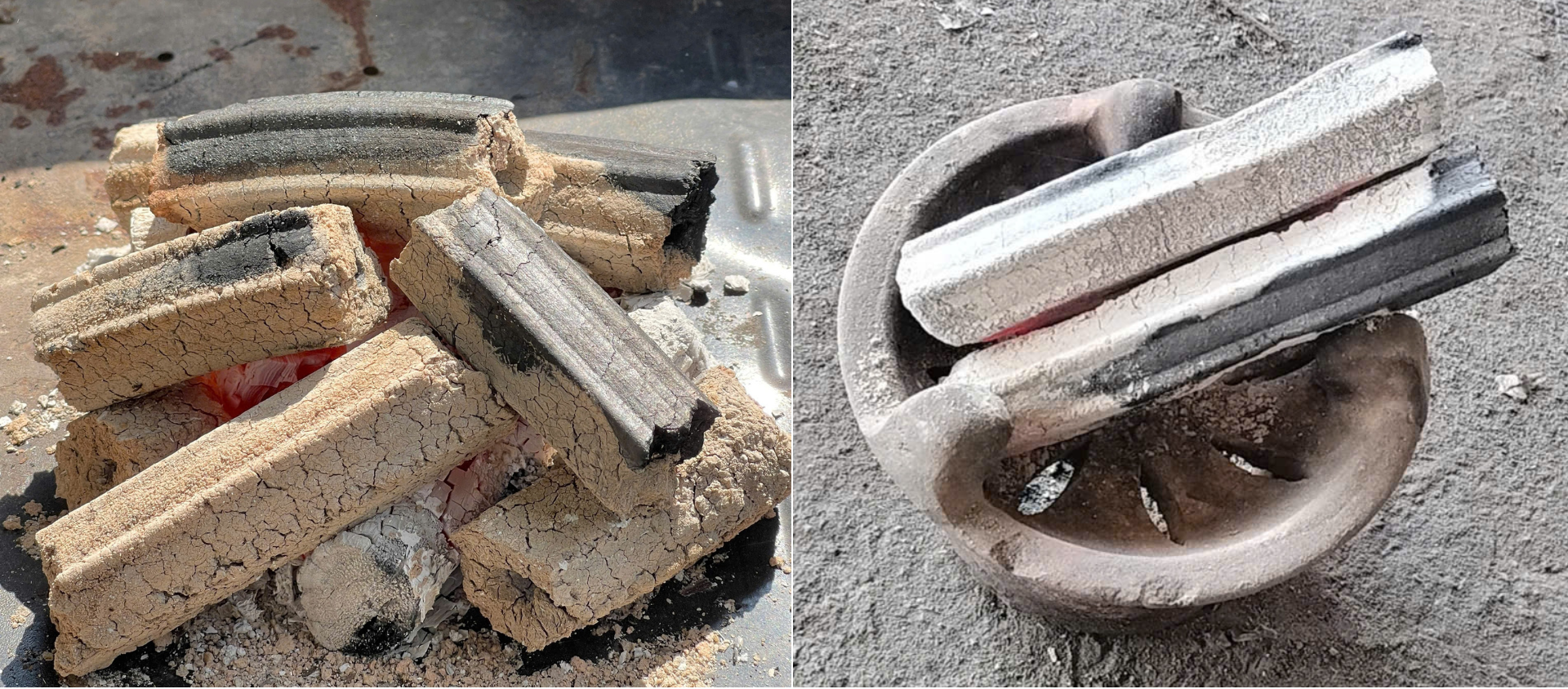
4. Raw Material Also Affects Burning Performance
For importers, burning performance is usually more important than appearance.
The raw material can contribute to differences in:
Burning Time
The density and composition of the original biomass can influence how the charcoal burns.
Heat Performance
Different raw materials and carbonization conditions can result in different heating characteristics.
Smoke and Odor
Clean raw materials and proper carbonization are important for producing charcoal with low unwanted smoke and odor.
Burning Stability
Consistent raw materials make it easier for a manufacturer to produce charcoal with consistent burning behavior.
But raw material is not the only factor.
Briquette density, moisture, carbonization temperature, carbonization time, and production control also play important roles.
This is why a professional supplier needs to control the entire production process.
You may want to know: How to Evaluate Vietnam Sawdust Charcoal Quality
5. The Biggest Problem for Importers: Inconsistent Raw Material
For an importer, receiving one good container is not enough.
The real question is:
Can the supplier produce the same quality again?
If the raw material changes from one batch to another, the final charcoal may also change.
For example:
Batch A: Long burning time
Batch B: Shorter burning time
Batch C: Different ash characteristics
This can become a serious problem when the importer is supplying distributors, restaurants, shisha businesses, or retail customers who expect consistent performance.
Therefore, raw material consistency is just as important as the charcoal specification itself.
6. How Should a Professional Supplier Control Raw Material?
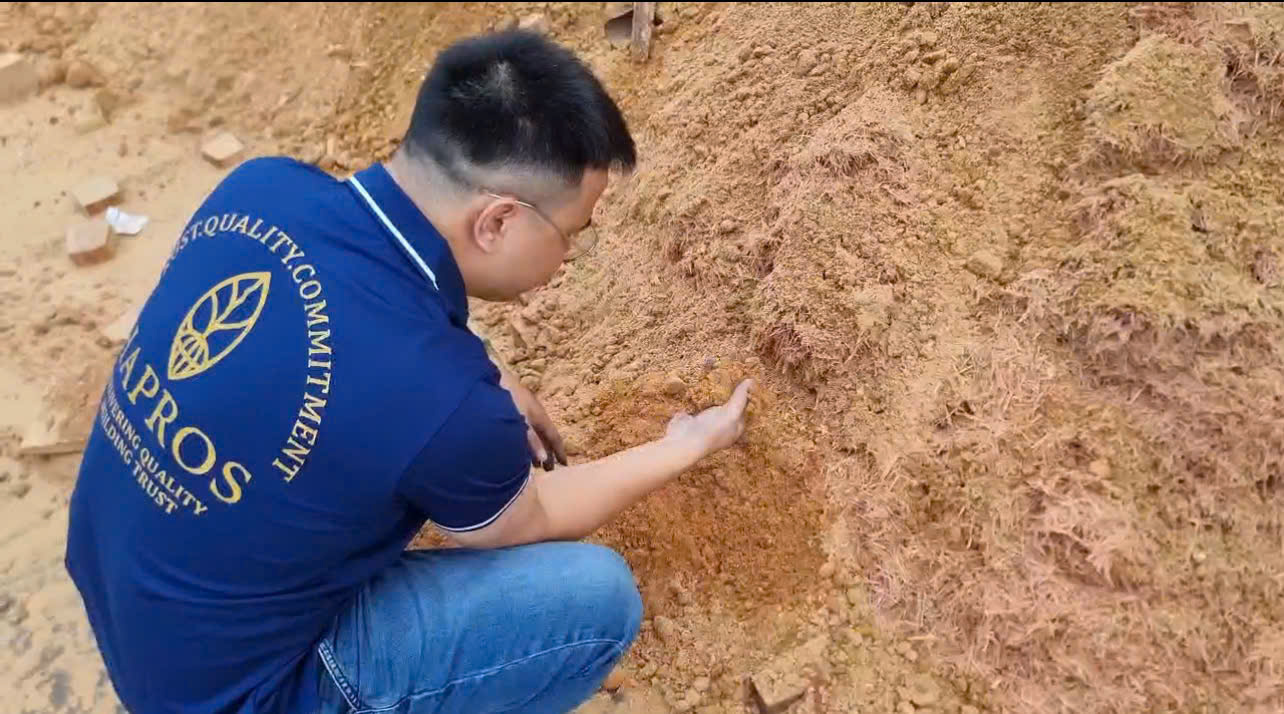
A reliable production process should begin with raw material control.
A typical quality control process can include:
Raw material selection
↓
Checking wood species and source
↓
Checking moisture and contamination
↓
Producing and inspecting sawdust briquettes
↓
Controlled carbonization
↓
Charcoal inspection
↓
Burning performance testing
↓
Final quality inspection before shipment
The objective is not simply to produce charcoal.
The objective is to reproduce the same quality from one shipment to the next.
7. What Should Importers Ask Their Supplier?
Before placing a large order, importers should consider asking:
What type of wood is used?
Where does the raw material come from?
Is the raw material consistent between batches?
Are different wood species mixed?
How is the sawdust briquette produced?
How is the carbonization process controlled?
What is the typical burning time?
What is the ash content?
Can the supplier provide production samples?
How is the final product inspected before loading?
These questions can help an importer understand whether a supplier is simply selling charcoal or actually controlling charcoal quality.
8. Don't Judge Charcoal Only by Its Appearance
A good-looking charcoal product does not necessarily mean good performance.
For importers, the more important question is:
What is behind the product?
Good raw material.
Controlled production.
Consistent quality.
Reliable testing.
And most importantly, the ability to deliver the same quality repeatedly.
Good sawdust charcoal starts with good raw material.
For an importer, choosing a charcoal supplier is therefore not only about finding a competitive price.
It is about finding a supplier who can control the raw material and maintain consistent quality from one shipment to the next.