Vietnam is one of the world's leading producers of sawdust charcoal. However, not all Vietnamese sawdust charcoal is the same. The production method, kiln technology, and raw materials all have a significant impact on burning time, ash color, heat output, and the final application.
If you are sourcing charcoal for BBQ, shisha, or wholesale distribution, understanding these differences will help you choose the right product.
1. Carbonization Kilns
Traditional Kiln
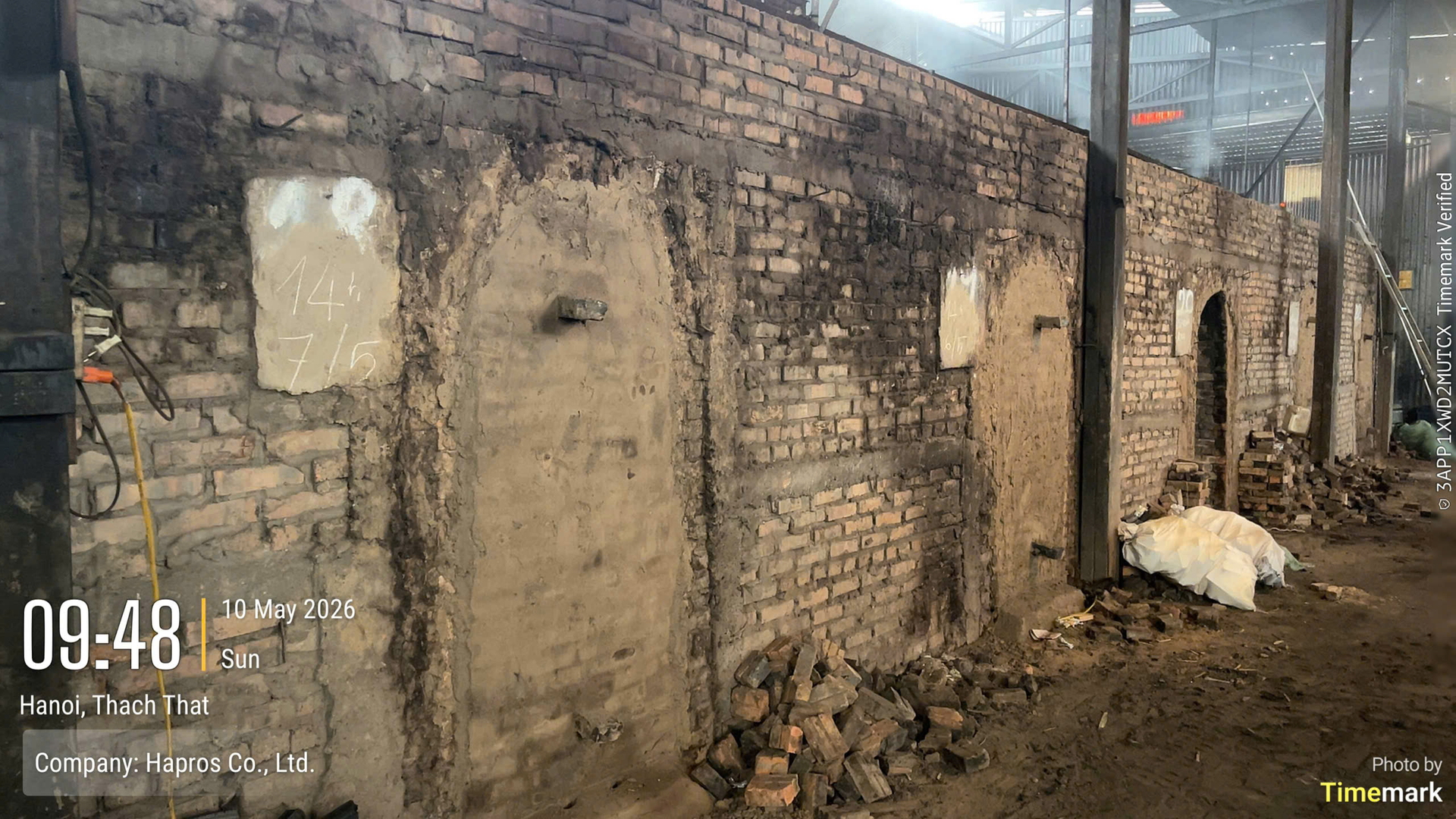
The traditional kiln is the oldest and most respected carbonization method in Vietnam. One production cycle usually takes 10–12 days, allowing the charcoal to carbonize slowly and evenly.
This method produces the highest-quality sawdust charcoal. Skilled charcoal makers can reduce the briquette diameter to 3.5 cm, resulting in a burning time of more than 7 hours.
In reality, however, most factories prefer producing charcoal with a diameter of 3.7 cm. Although the burning time is slightly shorter—typically over 6 hours—the production loss is much lower, making it more economical for export.
For the domestic market, some manufacturers produce charcoal with a diameter of 4.0 cm, which offers a shorter burning time but better production efficiency.
Industrial Kiln/ Steel Kiln
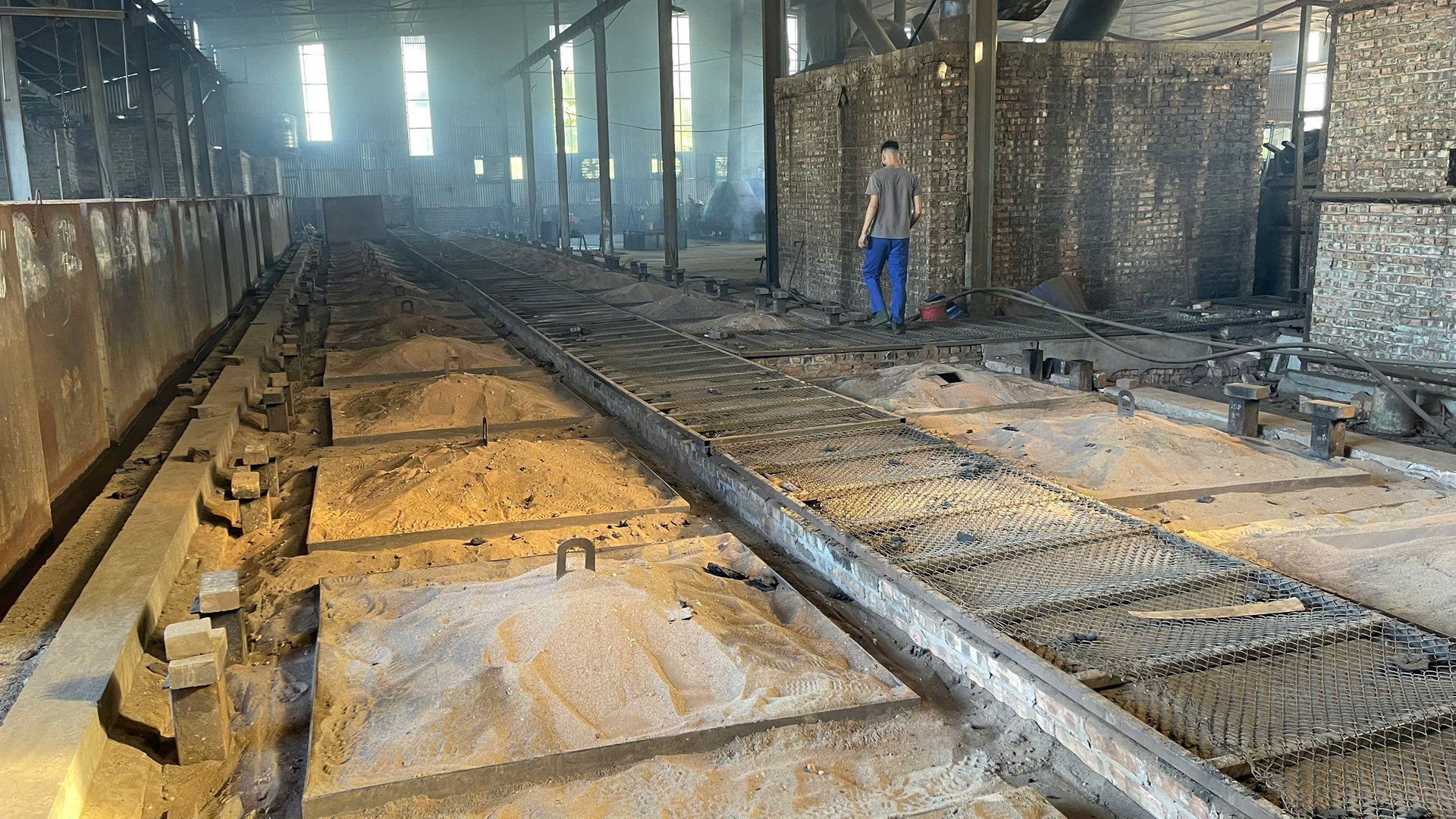
Industrial kilns can be built either above ground or underground. They use steel frames that are lifted in and out of the kiln by cranes, making production much faster and easier.
A complete carbonization cycle takes only 2–3 days, allowing manufacturers to increase production capacity and shorten delivery times.
The trade-off is a shorter burning time, typically around 4 hours.
This type of charcoal is particularly popular in Taiwan and Australia, where customers prioritize consistent quality, competitive pricing, and stable supply.
A Common Advantage
Although the two carbonization methods are different, both produce the essential characteristics expected from quality Vietnamese sawdust charcoal:
Smokeless
Odorless
Spark-free (no popping or exploding during burning)
2. Raw Materials
The type of sawdust used is another key factor affecting charcoal quality.
Acacia Sawdust
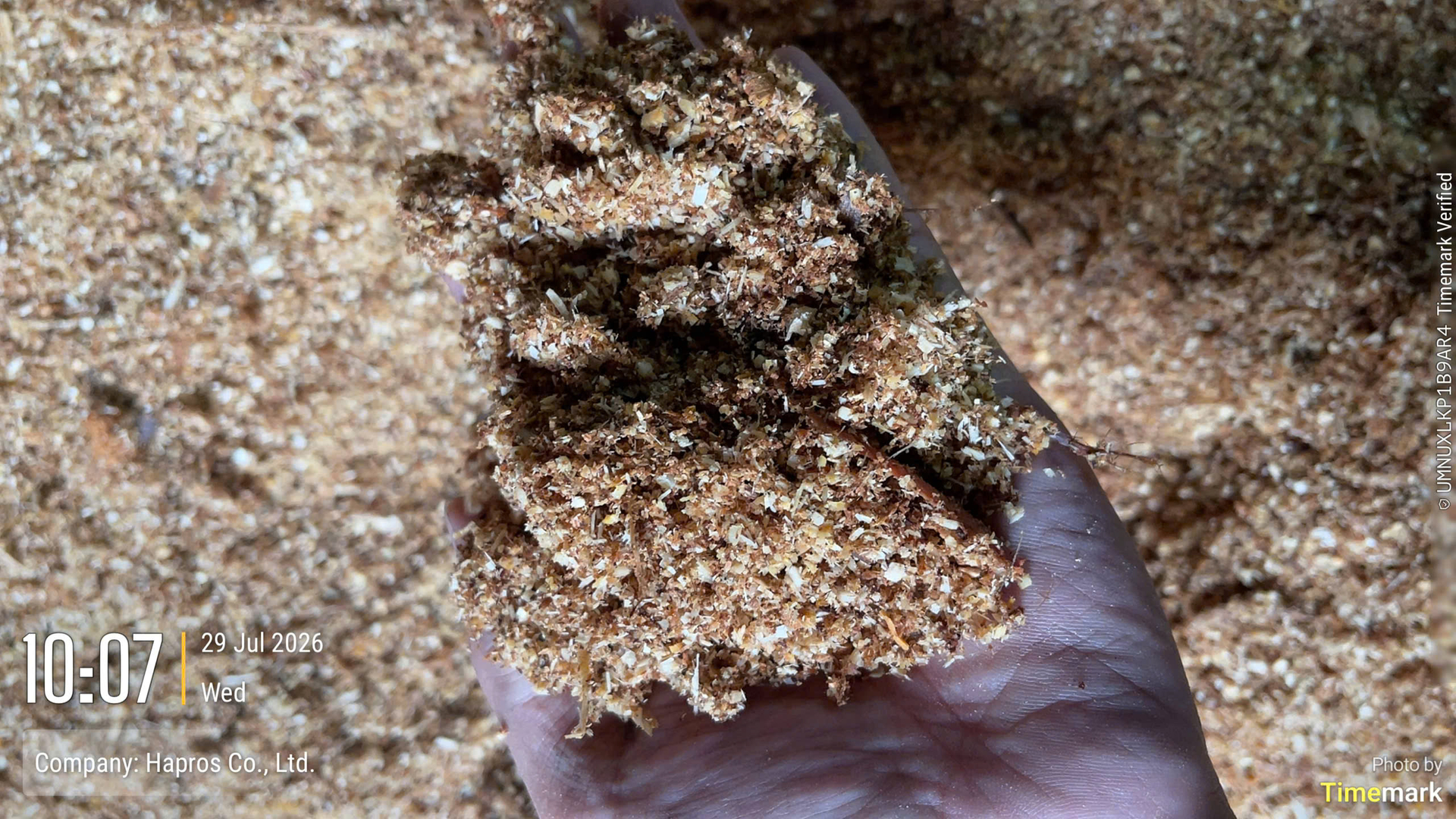
Acacia is the most common raw material used in Vietnam. It is widely planted in the northern provinces, especially in the mountainous Northwest, where many sawmills manufacture finger-jointed boards and wooden pallets.
Acacia sawdust charcoal typically produces yellow ash and offers stable burning performance.
Its competitive price makes it popular in markets such as:
Middle East
Taiwan
South Korea
Australia
Hardwood Furniture Sawdust
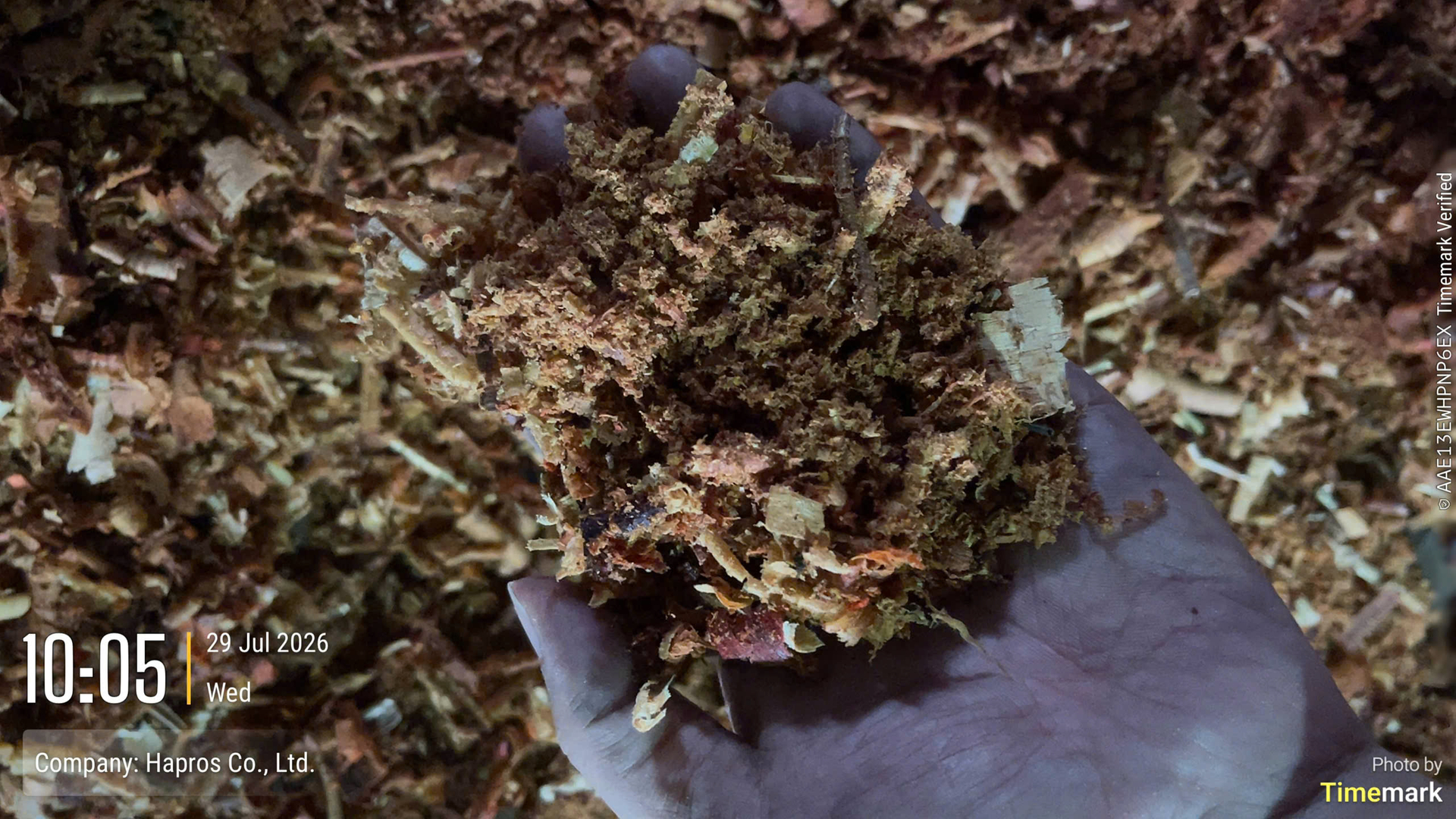
This premium raw material comes from furniture workshops processing hardwood species such as Merbau, Rosewood, Ash, Mahogany, and other dense tropical hardwoods.
Because these woods have higher density, the resulting charcoal generally provides:
Longer burning time
Higher heat output
Better durability
More consistent quality
Naturally, this charcoal is also more expensive.
It is widely preferred by buyers in Europe, especially Greece and Turkey, as well as Japan, where premium quality is highly valued.
Mixed Softwood Sawdust
Mixed sawdust usually refers to lighter wood species such as Chinaberry (Melia) and Paper Mulberry, which are available in relatively small quantities.
Because these woods are less dense, they are rarely used as the primary raw material for charcoal production.
Instead, manufacturers typically blend around 10% of this material with denser hardwood sawdust to maintain stable charcoal quality while utilizing available resources.
Oak and Rubberwood Sawdust
Factories using oak or rubberwood sawdust are mainly located in southern Vietnam, where rubber plantations are abundant.
Rubberwood charcoal can perform well, but it requires careful carbonization to completely eliminate the natural odor of the wood.
When properly carbonized, it can achieve good quality and consistent performance.
Bamboo Sawdust
Bamboo sawdust is collected from factories producing bamboo chopsticks and disposable skewers.
Thanh Hoa Province is one of Vietnam's largest bamboo-growing regions, supplying significant amounts of bamboo processing residues.
Bamboo sawdust charcoal offers several outstanding characteristics:
High fixed carbon content
Bright white ash
Odorless
Excellent heat performance
These properties make bamboo charcoal highly suitable for shisha (hookah) charcoal.
Today, it is widely exported to the Middle East, Turkey, and many countries with large Muslim communities.
Conclusion
There is no single "best" Vietnamese sawdust charcoal.
The quality of charcoal depends largely on both the carbonization method and the raw material used. Different combinations produce different burning times, ash colors, heat levels, and prices.
Before purchasing, buyers should clearly communicate their requirements, including the intended application, desired burning time, ash color, charcoal size, and target market. Doing so will help suppliers recommend the most suitable charcoal for your business.
Frequently Asked Questions
What is the best sawdust charcoal in Vietnam?
Traditional kiln charcoal made from hardwood sawdust usually offers the longest burning time and highest heat output.
Why is bamboo charcoal popular for shisha?
Because it has high fixed carbon, produces white ash, and burns without odor.
Which charcoal burns the longest?
Traditional kiln charcoal with a diameter of 3.5 cm can burn for more than seven hours.