Buying sawdust charcoal from Vietnam is not simply about finding a supplier and asking for the lowest price. Product grade, raw material, specifications, packaging and shipping requirements can significantly affect the final product and price.
Here are the key points importers should consider when sourcing sawdust charcoal from Vietnam.
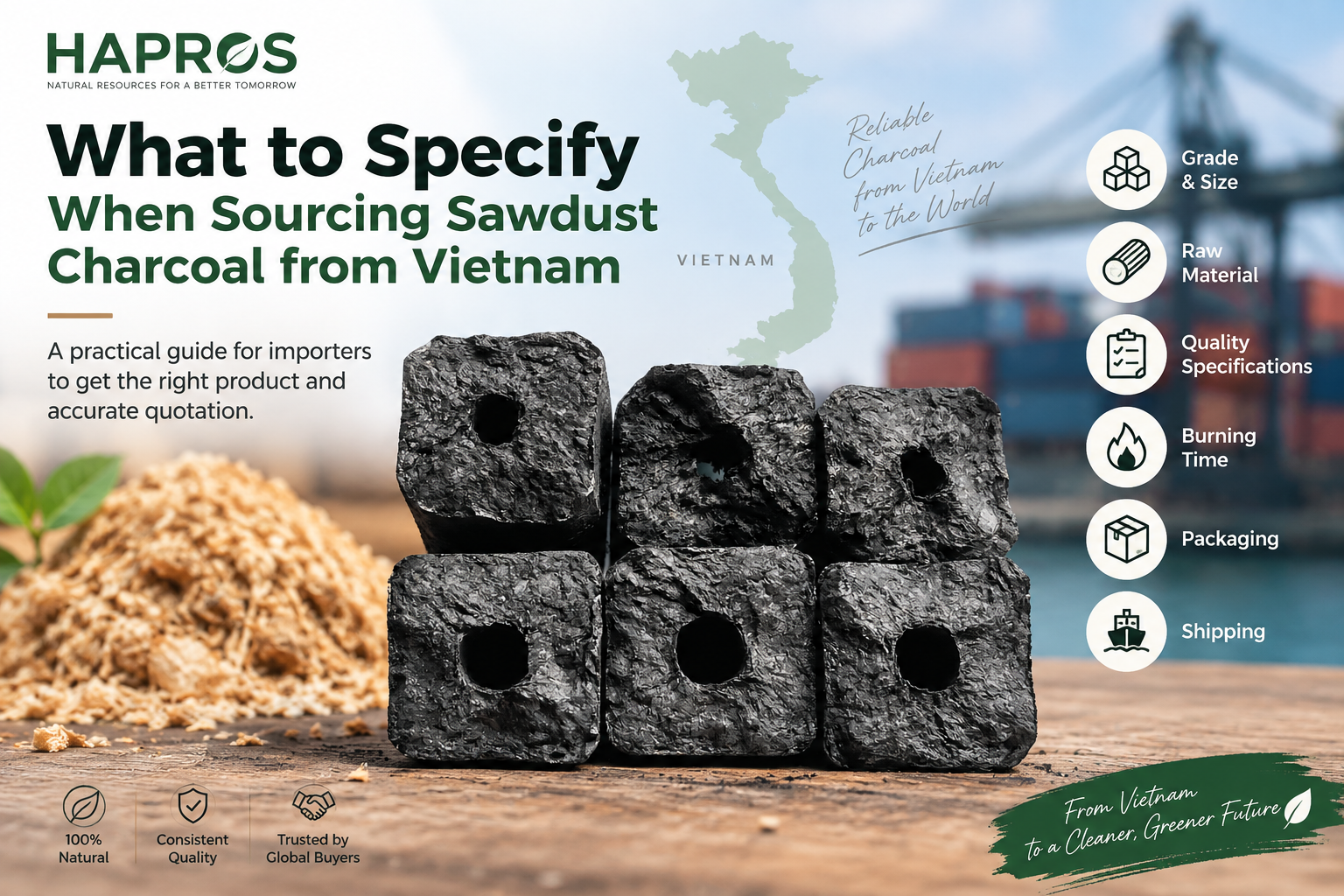
1. Define Your Sawdust Charcoal Requirements
Vietnamese sawdust charcoal is commonly supplied in grades from C, B, A, AA to AAA, depending on the supplier and market.
Generally:
Grade C/B: More broken pieces, shorter pieces, and less attractive surfaces; some pieces may be below 5 cm.
Grade A and above: Longer and better-looking pieces, commonly around 10–40 cm.
Diameter: Usually around 4–5 cm.
Shape: Hexagonal or square.
Buyers should also specify the required:
Fixed carbon
Ash
Moisture
Burning time
Size
Packaging
Typical requirements are fixed carbon above 80%, ash below 5%, and moisture below 5%.
Burning-time requirements vary by market. Buyers in Taiwan and Australia may accept more than 4 hours, while European, Japanese and Korean buyers may require more than 6 hours.
2. Choose the Right Raw Material
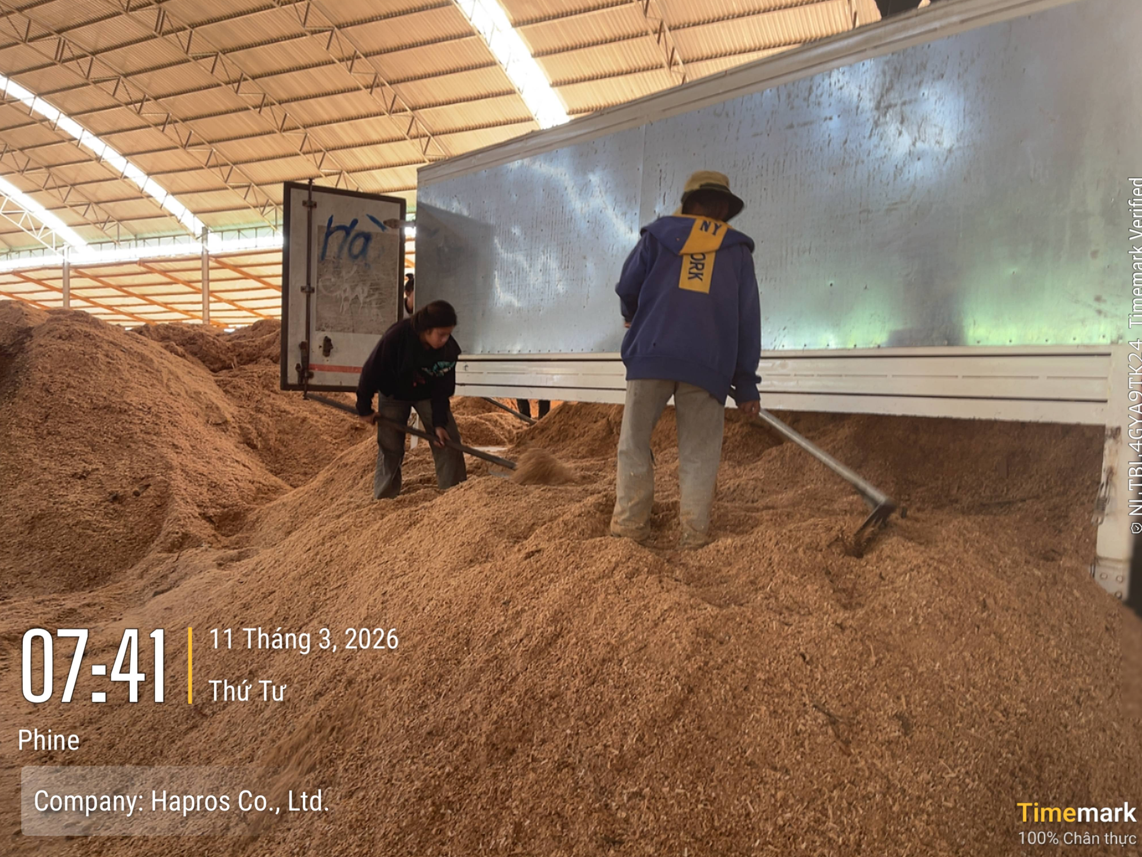
Vietnamese sawdust charcoal can be made from different materials, including:
Hardwood sawdust
Bamboo sawdust
Acacia sawdust
Raw material can affect the charcoal's appearance, burning performance and other specifications.
Therefore, when comparing suppliers, make sure you are comparing the same type of sawdust charcoal, rather than comparing price alone.
3. Check Raw Material and Production Quality
Consistent charcoal quality starts with raw material.
A reliable Vietnamese supplier should source sawdust from trusted suppliers and use dry sawdust that has not been deliberately wetted with water.
Visual inspection is also useful. Different types of wood sawdust can have different colors and appearances, allowing suppliers to identify obvious inconsistencies before production.
Quality should then be controlled throughout production, with particular attention given to the charcoal during final packing and pre-shipment inspection.
Depending on the order, quality can be checked through internal testing, practical burning tests or third-party laboratory testing.
You may want to read: Why Raw Material Determines Sawdust Charcoal Quality
4. Always Test a Sample Before a Container Order
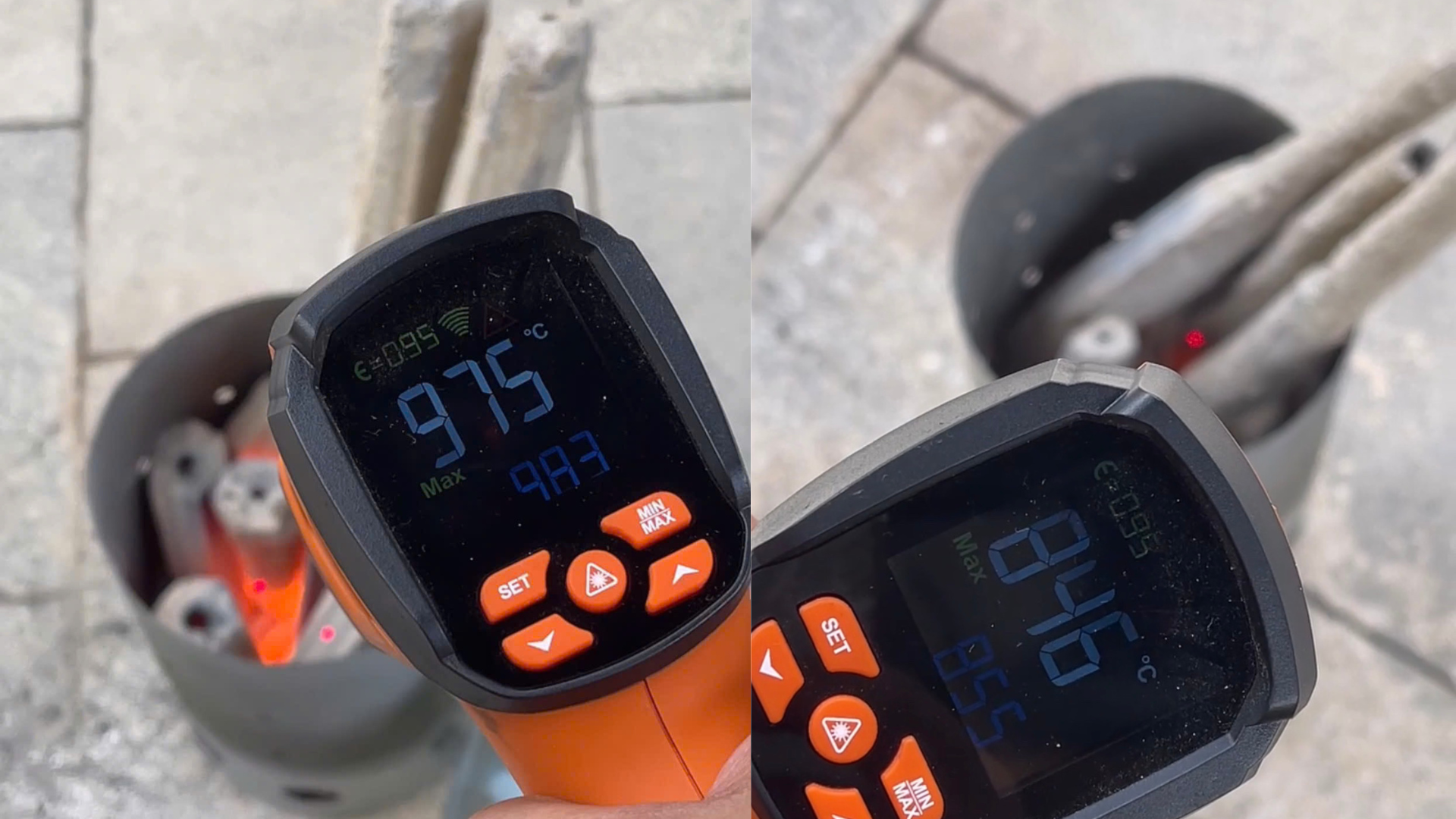
Before placing a bulk order, request a sample based on your actual requirements.
Check:
Fixed carbon
Ash
Moisture
Size and appearance
Burning time
Smoke and smell
Do not evaluate a supplier only from photos or specifications. Burning performance should be tested before confirming a large order.
You can learn more about product evaluation in our guide to Vietnam sawdust charcoal quality.
5. Confirm Export Packaging
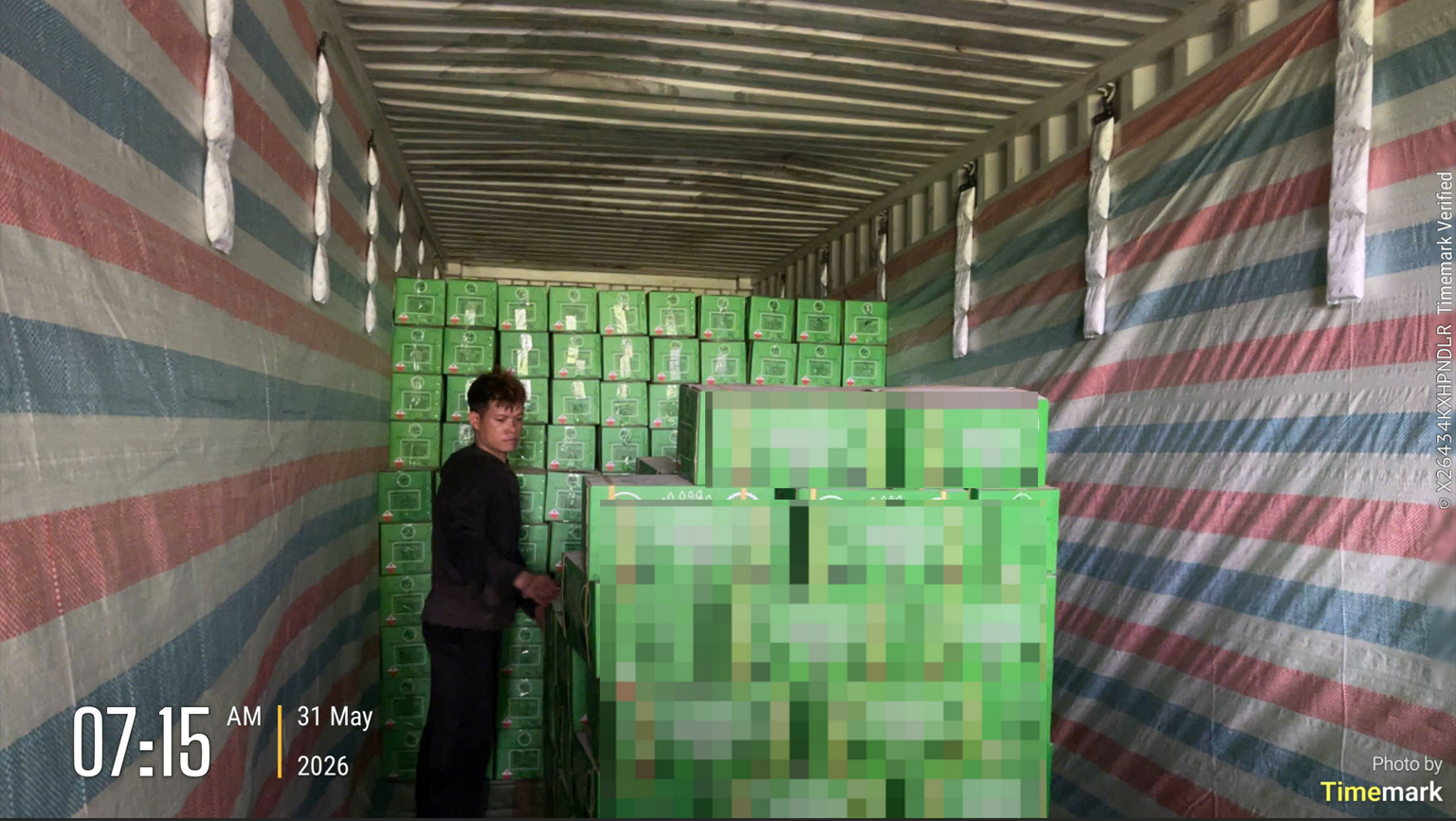
Sawdust charcoal is commonly packed in cartons according to the buyer's requirements.
A typical export package may include:
5-layer carton
10 kg/carton
Plastic lining for moisture protection
Two reinforcing straps
Desiccant bags when required
Custom flexo or offset printing
Palletization when required
Other carton weights and dimensions can also be arranged.
Packaging should be confirmed before production, because carton dimensions directly affect container loading.
6. Plan Container Loading
For sawdust charcoal exports from Vietnam, 40HC containers are commonly used to optimize freight costs.
The actual loading quantity depends on:
Carton dimensions
Weight per carton
Pallet or non-pallet loading
Container weight limits
Therefore, buyers should provide the exact packaging requirements when asking for a quotation.
7. Understand Shipping Requirements
Sawdust charcoal is relatively resistant to physical damage, but it still needs proper protection against moisture and must comply with the shipping line's safety requirements.
The carrier may inspect the cargo during vanning to ensure that charcoal is loaded according to its regulations.
MSDS may also be required by the shipping line.
For more details, see our guide on protecting charcoal during ocean shipping.
8. Compare Quotations Correctly
Hapros commonly offers CIF, while FOB can also be arranged.
When comparing quotations from Vietnamese suppliers, make sure the following are identical:
Product + specification + packaging + quantity + Incoterm + destination
A lower USD/ton price does not necessarily mean a better deal if the product has different specifications or packaging.
9. Allow Around 30 Days for Production
A standard export order typically requires around 30 days for production.
Customized specifications, carton dimensions or private-label packaging may require additional planning.
Buyers should therefore confirm the production schedule before booking their shipment.
10. Give the Supplier a Clear Requirement
One of the biggest mistakes when buying sawdust charcoal from Vietnam is asking:
“Please give me your best price.”
without providing product requirements.
A supplier needs to know:
Grade → Raw material → Size → Fixed carbon → Ash → Moisture → Burning time → Packaging → Quantity → Destination
With clear requirements, a sawdust charcoal supplier in Vietnam can provide a much more accurate quotation and recommend the appropriate product.
Buying Sawdust Charcoal from Vietnam with Hapros Co., Ltd
Hapros supplies hardwood, bamboo and acacia sawdust charcoal for international buyers, with different grades, specifications and packaging options.
Send us your requirements and destination, and we can recommend a suitable product and quotation.
Vietnam → Global Markets 🇻🇳 🌎