When choosing charcoal for professional BBQ restaurants, distributors and HORECA businesses, two products often attract attention: Bamboo Sawdust Charcoal and Hardwood Sawdust Charcoal.
Hardwood sawdust charcoal has traditionally been more popular in the international charcoal market, mainly because hardwood sawdust is widely available and many charcoal factories are already equipped to process it.
However, does its popularity mean that hardwood sawdust charcoal is necessarily better?
Not always.
Both products can deliver excellent heating performance, high fixed carbon content and reliable burning characteristics when manufactured properly. Meanwhile, bamboo charcoal offers several advantages in raw material sourcing and has an important regulatory advantage for businesses importing into the European Union.
In this article, Hapros compares the two types of charcoal based on their raw materials, technical performance, production costs and the changing requirements of the European market.
1. Why Is Hardwood Sawdust Charcoal More Popular?
The popularity of hardwood sawdust charcoal is largely driven by the availability of raw materials rather than an absolute difference in product quality.
You may want to read: Types of Sawdust Charcoal in Vietnam You Should Know
Abundant Hardwood Sawdust Supply
Vietnam has a well-developed wood processing and furniture manufacturing industry. Furniture factories, wood workshops and timber processing facilities generate considerable quantities of hardwood sawdust as a by-product.
This creates a relatively large and accessible supply of raw materials for charcoal manufacturers.
In addition, hardwood sawdust is also used in other industries, including wood pellet production. Despite this competition, the established wood processing industry provides charcoal factories with opportunities to source raw materials in large quantities.

More Limited Bamboo Sawdust Supply
Bamboo sawdust is mainly generated by factories manufacturing bamboo chopsticks, toothpicks and other bamboo products.
Compared with the large-scale furniture manufacturing industry, the number and production scale of these facilities are generally smaller. Consequently, the available volume of bamboo sawdust is more limited.
Why Do Most Factories Prefer Hardwood Sawdust?
For many charcoal manufacturers, the decision is straightforward.
Hardwood sawdust is easier to source in large quantities, making it more convenient to establish and maintain large-scale production operations.
As a result, many factories choose hardwood sawdust as their primary raw material.
However, the fact that hardwood sawdust charcoal is more widely produced does not automatically mean it has better technical performance than bamboo sawdust charcoal.
To understand the real differences, we need to compare their characteristics more closely.
2. Is Hardwood Sawdust Charcoal Really Better Than Bamboo Sawdust Charcoal?
The answer depends on which characteristics you prioritize.
Let's compare both products across six important criteria for professional BBQ applications.
2.1. Calorific Value: Both Can Exceed 7,000 kcal/kg
Calorific value is one of the most important indicators when evaluating charcoal quality.
It determines how much heat the charcoal can generate during combustion.
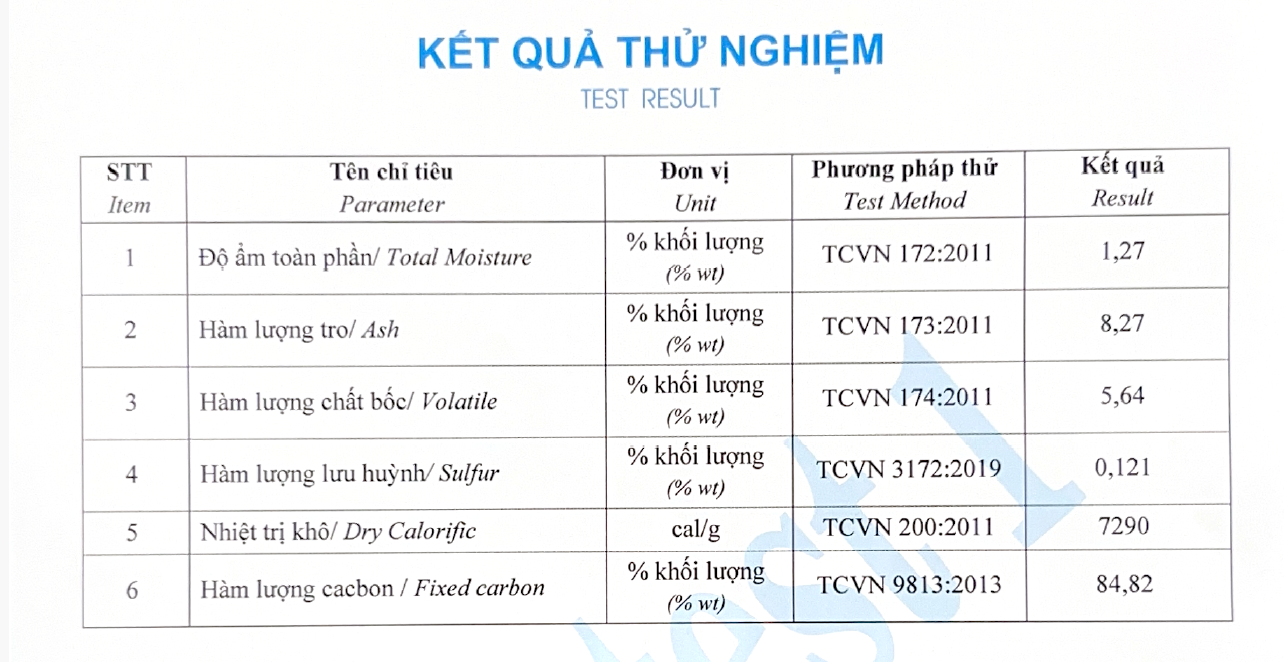
Both bamboo sawdust charcoal and hardwood sawdust charcoal can achieve a calorific value exceeding 7,000 kcal/kg when manufactured under appropriate conditions.
This means both products can provide sufficient heat for professional BBQ applications, including restaurants, commercial grills and other food service operations.
From the perspective of heating performance, neither material has an automatic advantage. The actual calorific value should always be verified through laboratory testing.
2.2. Ash Content: Production Technology Matters
Low ash content is desirable for professional BBQ charcoal because excessive ash can affect grilling convenience and cleaning frequency.
However, ash content is not determined solely by whether the raw material comes from bamboo or hardwood.
The quality of raw material preparation and the production process also play important roles.
In particular, an effective cyclone dust collection and separation system helps remove unwanted dust and impurities before further processing.
Therefore, a well-equipped bamboo charcoal factory can produce charcoal with competitive ash content, just as a properly managed hardwood charcoal factory can.
The important factor is not simply the raw material, but how effectively the factory controls its production process.
You may want to read: Why Does Cyclone System Matter for Sawdust Charcoal Quality?
2.3. Fixed Carbon Content: Bamboo Charcoal Can Exceed 85%
Fixed carbon is another important indicator of charcoal quality.
A higher fixed carbon content generally indicates a greater proportion of combustible solid carbon remaining after volatile matter is released.
Many buyers assume that hardwood charcoal must always have a higher carbon content than bamboo charcoal.
However, this is not necessarily true.
Bamboo sawdust charcoal can also achieve a fixed carbon content exceeding 85% when the carbonization process is properly controlled.
Both products can achieve high fixed carbon levels, depending on raw material characteristics, carbonization temperature and production conditions.
When comparing laboratory reports, buyers should also distinguish between fixed carbon and total elemental carbon, as these are different measurements.
2.4. Hardness: Hardwood Sawdust Charcoal Has an Advantage
This is one area where hardwood sawdust charcoal generally performs better.
Hardwood sawdust charcoal tends to have a harder and more compact structure than bamboo sawdust charcoal.
Higher hardness is beneficial during packaging, transportation and handling because it can reduce the risk of breakage and excessive charcoal dust.
Bamboo sawdust charcoal, on the other hand, is generally less hard and may be more susceptible to physical damage.
For importers transporting charcoal over long distances, this is an important consideration.
Nevertheless, actual hardness also depends on briquette density, particle size, binder composition and compression technology.
2.5. Burning Time: Why Does Hardwood Sawdust Charcoal Usually Burn Longer?
Burning time is particularly important for BBQ restaurants and HORECA businesses.
Longer burning time allows restaurants to maintain grilling temperatures for extended periods while reducing the frequency of charcoal replacement.
Interestingly, bamboo sawdust charcoal and hardwood sawdust charcoal can have similar volatile matter content, but their actual burning times may still differ.
One important reason is their internal structure.
Bamboo sawdust charcoal briquettes generally have larger pores and a more open internal structure. These pores allow air to circulate more easily through the charcoal.
Better airflow supports combustion and allows the charcoal to burn more quickly.
Hardwood sawdust charcoal, by comparison, generally has a denser structure with smaller pores. This can restrict airflow and slow down the combustion process, allowing the charcoal to maintain its burning performance for longer.
Therefore, even when the volatile matter content is similar, differences in internal porosity and density can result in different burning times.
For restaurants prioritizing extended burning time, hardwood sawdust charcoal may be the more suitable option.
However, burning time should always be evaluated under comparable testing conditions, including briquette dimensions, airflow, ignition method and grilling temperature.
You may want to read: How to Evaluate Vietnam Sawdust Charcoal Quality
2.6. Price and Raw Material Supply Stability
Price is another important consideration when selecting a charcoal supplier.
Interestingly, bamboo sawdust charcoal and hardwood sawdust charcoal have different cost structures.
Import duties
In the tariff comparison used for the products considered here, bamboo sawdust charcoal is subject to a 10% import duty, while hardwood sawdust charcoal is subject to 5%.
This gives hardwood charcoal an advantage in terms of import duties.
However, import duties depend on the destination country, HS classification, applicable trade agreements and rules of origin. Buyers should verify the actual tariff before making purchasing decisions.
Raw material availability and price stability
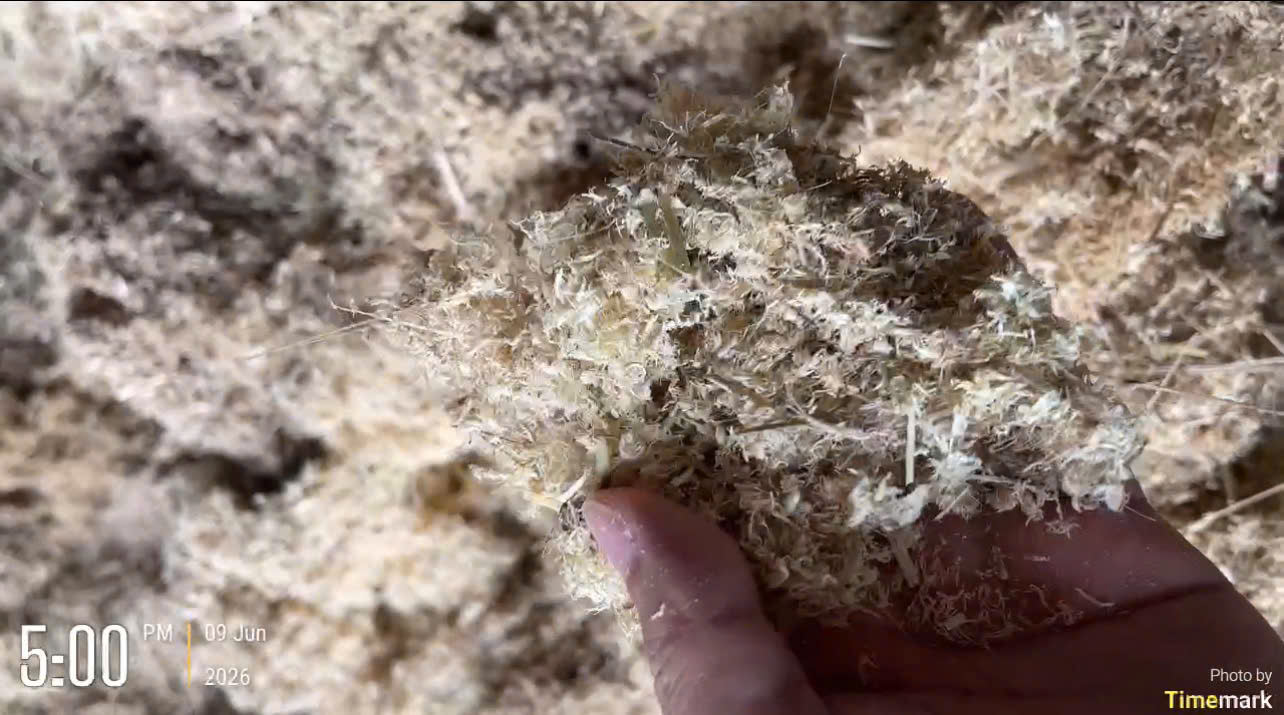
Despite the higher tariff in the comparison above, bamboo charcoal has an interesting advantage in raw material sourcing.
Bamboo charcoal factories are often located close to bamboo-growing areas or bamboo product manufacturing facilities, particularly factories producing chopsticks and toothpicks.
Bamboo sawdust is a by-product of these manufacturing activities and has relatively limited competition from other industrial sectors.
Hardwood sawdust, however, has several competing uses.
Besides charcoal production, it is widely used in wood pellet manufacturing. Demand from the wood pellet industry can create additional competition for raw materials, potentially affecting purchasing costs.
Consequently, although bamboo charcoal may face a higher import duty in certain markets, its raw material supply can be less exposed to competition from other industries.
This may help bamboo charcoal manufacturers maintain more stable raw material costs over time.
The overall picture: Hardwood charcoal may have an advantage in import duties and physical durability, while bamboo charcoal can offer a distinctive advantage in raw material sourcing and supply stability.
3. Stricter EU Regulations: A New Opportunity for Bamboo Sawdust Charcoal
Beyond product performance and pricing, regulatory requirements are becoming increasingly important for international charcoal buyers.
One major development is the European Union Deforestation Regulation (EUDR).
You may want to read: Hapros – A Leading Bamboo Sawdust Charcoal Supplier in Vietnam
3.1. What Is EUDR and Why Does It Matter to Charcoal Importers?
The EU Deforestation Regulation (EUDR), Regulation (EU) 2023/1115, aims to prevent products associated with deforestation and forest degradation from entering or being exported from the European Union market.
The regulation covers several relevant commodities, including wood, and certain products derived from them.
Wood charcoal under HS heading 4402 is among the products that buyers and suppliers need to consider.
For charcoal made from wood, businesses involved in placing covered products on the EU market must comply with the applicable due diligence requirements.
These include demonstrating that the relevant wood was not sourced from land subject to deforestation or forest degradation after 31 December 2020, as well as meeting relevant legal requirements in the country of production.
Depending on the applicable supply chain role, businesses may need to manage information concerning:
The geographical location of the land where the wood was harvested.
The date or period of production or harvesting.
The species of wood used.
Relevant supply chain and traceability information.
Evidence supporting the deforestation-free status of the raw material.
For charcoal manufacturers sourcing hardwood sawdust from multiple suppliers, maintaining reliable traceability records can become a significant operational challenge.
3.2. When Will EUDR Become Applicable?
Following the latest amendments, the European Commission currently identifies the following application dates:
30 December 2026: Large and medium-sized operators.
30 June 2027: Most micro and small operators.
30 December 2026: Micro and small operators already covered by the previous EU Timber Regulation (EUTR).
Therefore, it is important to understand that June 2027 is not a universal starting date for every business.
Importers and exporters should assess their own roles, company size and applicable obligations before arranging shipments to the EU.
3.3. Why Does Hardwood Sawdust Charcoal Face Greater Challenges?
Since hardwood charcoal is manufactured from wood-based raw materials, it falls within the relevant EUDR considerations when classified as a covered product.
The main challenge for many manufacturers is not necessarily the carbonization process itself, but the ability to trace the origin of their raw materials.
For example, a charcoal factory may purchase hardwood sawdust from several furniture workshops and wood processing facilities.
Each supplier may have different upstream sources, documentation systems and levels of traceability.
Collecting and maintaining sufficient information across these supply chains can be complicated, especially for smaller factories without dedicated compliance systems.
As a result, some manufacturers may find it difficult to supply the European market under the new requirements.
This could reduce the number of readily available hardwood charcoal suppliers capable of meeting EU market requirements.
3.4. Why Does Bamboo Sawdust Charcoal Have an Important Advantage?

Here is where bamboo charcoal becomes particularly interesting.
Products made entirely from bamboo are excluded from the scope of EUDR.
According to the European Commission's guidance, bamboo is classified as a non-wood forest product. Therefore, it does not fall under the EUDR definition of the relevant commodity wood.
This means charcoal manufactured exclusively from bamboo raw materials is not subject to EUDR obligations simply because it is charcoal or shares a customs classification with wood charcoal.
For European importers, distributors and BBQ businesses, this provides an important sourcing advantage.
They can consider bamboo charcoal as an alternative product without the specific EUDR due diligence obligations that apply to covered wood-based charcoal.
However, this exclusion applies only when the product is made solely from bamboo. Products containing relevant wood materials must be assessed according to their actual composition and applicable regulations.
For businesses planning their long-term supply strategies, bamboo sawdust charcoal could therefore become an increasingly attractive option in the European market.
You may want to read: 5 Bamboo Sawdust Charcoal Sourcing Countries Importers Should Know
4. Conclusion: Is Bamboo Sawdust Charcoal a Good Alternative to Hardwood Sawdust Charcoal?
After comparing the two products, we can see that neither bamboo sawdust charcoal nor hardwood sawdust charcoal is superior in every aspect.
Hardwood sawdust charcoal generally has advantages in physical hardness and burning duration. These characteristics can be particularly important for restaurants that prioritize long-lasting heat and durability during transportation.
However, bamboo sawdust charcoal can also deliver excellent technical performance.
With a calorific value exceeding 7,000 kcal/kg and fixed carbon content potentially above 85%, it can meet the important requirements of professional BBQ applications.
Furthermore, bamboo charcoal offers two additional advantages:
Raw material supply: Bamboo sawdust is a by-product of bamboo processing and may face less competition from other industrial applications, supporting greater raw material supply stability.
European market access: Bamboo charcoal manufactured entirely from bamboo is outside the scope of EUDR, offering an important regulatory advantage for European importers.
For these reasons, bamboo sawdust charcoal should not be considered an inferior alternative to hardwood sawdust charcoal.
Instead, it is a competitive product that can satisfy the requirements of professional BBQ restaurants, distributors and HORECA businesses.
Looking for a Reliable Bamboo or Hardwood Charcoal Supplier?
At Hapros, we understand that different customers have different requirements regarding calorific value, fixed carbon content, burning time, hardness, ash content and purchasing costs.
That is why we offer both Bamboo Sawdust Charcoal and Hardwood Sawdust Charcoal to international buyers.
Our goal is to help importers, distributors and professional BBQ businesses find the right charcoal product for their markets and applications.
Whether you are looking for bamboo charcoal with a competitive supply advantage or hardwood sawdust charcoal with longer burning performance, Hapros is ready to discuss your requirements.
Contact Hapros today to request product specifications, samples and an export quotation.