A Practical Comparison for Global Buyers
As global demand for cleaner and more efficient fuel continues to grow, sawdust charcoal has become an increasingly popular choice for BBQ restaurants, food service businesses, wholesalers, and household consumers.
Among major sourcing regions, Southeast Asia has emerged as one of the world’s leading suppliers of sawdust charcoal, with Vietnam, Indonesia, and Malaysia becoming increasingly recognized by buyers worldwide.
But an important question remains:
Which country offers the best sawdust charcoal?
The answer may not be as simple as choosing country A over country B.
To make a smarter sourcing decision, buyers should understand what makes Southeast Asia competitive and how each country offers different strengths depending on market requirements.
you may want to read: How to Choose a Reliable Vietnam Sawdust Charcoal Supplier
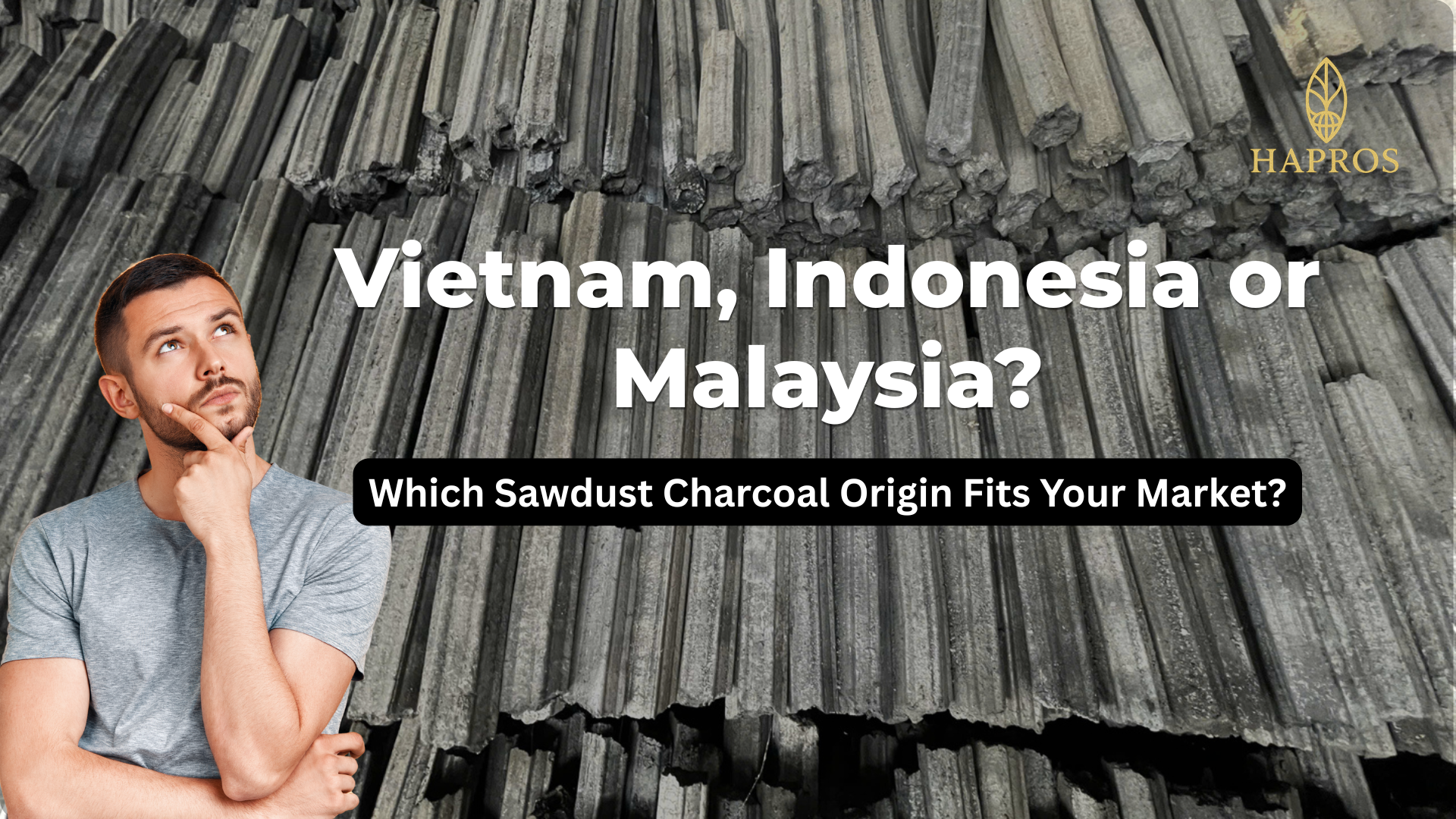
Why Sawdust Charcoal Is Becoming the Preferred Choice Worldwide
In recent years, sawdust charcoal has gained increasing attention across global markets due to its practical performance and growing sustainability appeal.
Compared with traditional charcoal, high-quality sawdust charcoal is often preferred for its stable heat output, longer burning time, low smoke, and minimal odor, making it suitable for BBQ restaurants, commercial grilling, and household cooking.
Another reason behind its rising demand is product consistency. Since sawdust charcoal is manufactured through compression technology, it typically offers more uniform size, density, and burning performance — an important factor for importers and professional users.
At the same time, sustainability trends are influencing purchasing decisions worldwide. Sawdust charcoal is commonly produced from recycled sawdust and wood-processing byproducts, helping maximize material efficiency and reduce industrial waste.
As a result, many global buyers increasingly view sawdust charcoal as a practical fuel solution that balances performance, consistency, and sustainability.
Why Southeast Asia Has Become a Global Hub for Sawdust Charcoal
Southeast Asia has become one of the world’s most important sourcing regions for sawdust charcoal. Countries such as Vietnam, Indonesia, and Malaysia benefit from strong wood-processing industries, competitive manufacturing costs, and increasing export experience.
Strong Access to Raw Materials
One major advantage lies in the region’s well-developed furniture and timber industries.
These sectors generate substantial amounts of sawdust — the key raw material used in sawdust charcoal production. Compared with countries where raw material supply may be limited or inconsistent, Southeast Asian manufacturers often benefit from greater production stability.
This availability of raw materials also helps support scalable production for export markets.
Competitive Production Costs
Compared with some manufacturing regions facing higher labor and operational costs, Southeast Asian producers often remain highly competitive in terms of pricing.
For buyers operating in cost-sensitive markets, maintaining a balance between quality and affordability is often a major priority.
This pricing advantage has helped the region remain attractive to importers worldwide.
Strategic Export Location
Geography also plays an important role.
Compared with suppliers located farther away, Southeast Asian countries often offer shorter shipping routes to major importing markets across:
The Middle East
Asia
Europe
America
In some cases, this can support faster lead times and more efficient supply chain planning.
Growing Global Export Strength
According to international trade statistics under HS Code 4402 (Wood Charcoal) — which includes sawdust charcoal, wood charcoal briquettes, and related charcoal products — Southeast Asia continues to strengthen its position in global charcoal exports.
In 2024, Indonesia exported approximately USD 351 million worth of wood charcoal products, totaling over 559 thousand metric tons, making it one of the world's leading charcoal exporters.
Meanwhile, Vietnam exported approximately USD 94.3 million worth of charcoal products, maintaining a strong position among global suppliers.
Although these figures represent broader charcoal categories rather than sawdust charcoal alone, they still reflect the growing trust global buyers place in Southeast Asian charcoal manufacturers.
Country | Estimated 2024 Charcoal Export Value* | Key Strength |
|---|---|---|
Indonesia | ~USD 351M | Large export scale and established charcoal reputation |
Vietnam | ~USD 94M | Competitive pricing and flexible manufacturing |
Malaysia | Smaller scale | Stable industrial practices |
*Based on HS Code 4402 (Wood Charcoal), which includes multiple charcoal categories beyond sawdust charcoal.
However, export volume alone does not automatically determine the best sourcing choice.
The most suitable option often depends on pricing expectations, product specifications, market positioning, and supplier reliability.
learn more: Top 5 Key Sawdust Charcoal Exporting Countries in the Global Market
Vietnam, Indonesia, or Malaysia: Which Sawdust Charcoal Origin Is Right for You?
When comparing sawdust charcoal from Vietnam, Indonesia, and Malaysia, it is important to understand that each origin has different strengths.
Rather than asking:
“Which country produces the best charcoal?”
A more practical question may be:
“Which sourcing origin best fits my market needs?”
Let us take a closer look.
Indonesia: Strong Export Experience and Large Production Scale
Indonesia has built a strong reputation in the charcoal industry over many years.
The country is widely recognized for its export capability and maintains strong relationships with buyers across international markets.
One of Indonesia’s biggest strengths is scale.
Large export volumes mean buyers often have access to broad supplier networks and manufacturers with international experience.
Many Indonesian producers are familiar with overseas quality requirements and established export procedures.
However, depending on supplier standards and market demand, pricing may vary significantly. During peak seasons, buyers may also experience longer lead times.
For importers prioritizing scale and established export experience, Indonesia remains a strong option.
Malaysia: Stable Business Environment and Organized Operations
Malaysia is often appreciated for its relatively stable industrial practices and structured business operations.
Some buyers value Malaysian suppliers for clear communication, operational reliability, and organized manufacturing systems.
Malaysia also benefits from strong logistics infrastructure and port connectivity.
However, compared with neighboring countries, the overall production scale for sawdust charcoal tends to be smaller.
This may limit sourcing flexibility or supplier variety in certain situations.
For buyers who prioritize stable operations and communication, Malaysia can still be an attractive sourcing option.
Vietnam: A Practical Balance Between Price, Flexibility, and Performance
In recent years, Vietnam has become increasingly attractive for international sawdust charcoal buyers.
One of Vietnam’s strongest advantages lies in its balance between competitive pricing, production flexibility, and improving product consistency.
Vietnam’s large furniture manufacturing industry provides a relatively stable source of sawdust raw materials, supporting continuous production and supply reliability.
In addition, many Vietnamese manufacturers offer strong flexibility in product customization.
Depending on market requirements, buyers may request specific adjustments related to:
Density
Burning time
Moisture level
Ash content
Shape and size
Packaging requirements
This flexibility can be particularly valuable for importers serving different regional markets or customer preferences.
Vietnam has also continued improving manufacturing standards and export professionalism in recent years.
For many buyers, Vietnamese sawdust charcoal offers an attractive balance between cost, consistency, and performance.
Still, country of origin alone should never be the only deciding factor.
Because even within the same country, supplier quality can vary significantly.
You may want to read: How to Evaluate Vietnam Sawdust Charcoal Quality: A Practical Guide for Importers
Why Choosing the Right Supplier Matters More Than Choosing the Country
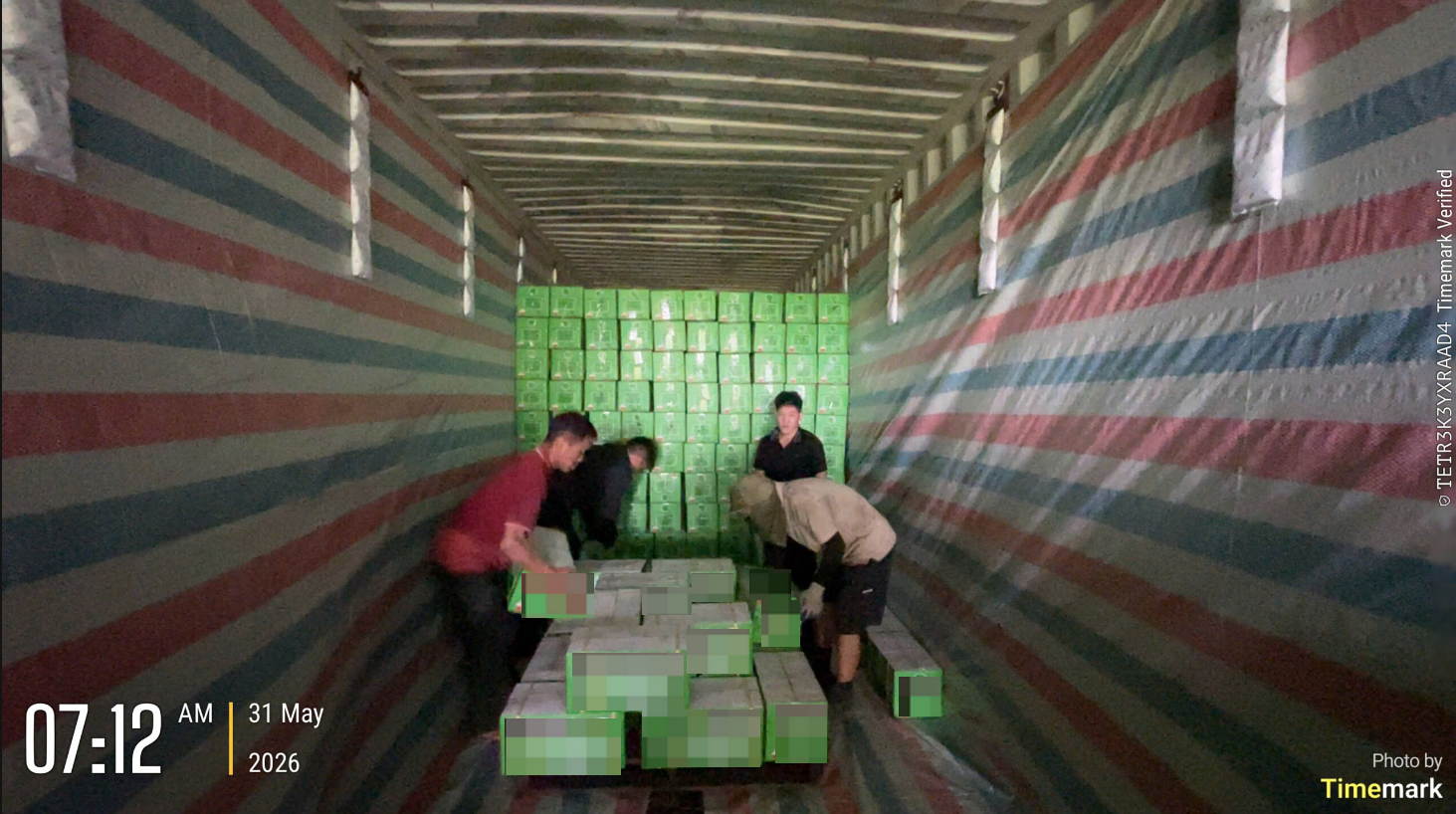
One common mistake among importers is focusing too heavily on country of origin.
In reality, two suppliers from the same country can deliver completely different results.
Some manufacturers maintain strict quality control systems and stable product specifications, while others may struggle with consistency between shipments.
For experienced buyers, supplier reliability often matters more than geography.
Before selecting a supplier, importers may want to evaluate several important factors:
Product Consistency
Can the supplier maintain stable density, moisture, ash content, and burning performance across shipments?
Inconsistent quality can directly affect customer satisfaction and repeat orders.
Communication Transparency
Reliable suppliers usually communicate clearly regarding specifications, testing information, production timelines, and shipment updates.
Strong communication often reduces misunderstandings and operational risks.
Customization Capability
Different markets require different product standards.
A supplier who understands market-specific needs and offers flexible specifications may provide greater long-term value.
Stable Production Capacity
Can the supplier consistently handle recurring orders?
Scaling from one container to multiple containers often requires reliable production planning.
Ultimately, successful sourcing depends not only on where the charcoal comes from — but on who produces it and how consistently they can meet expectations.
Learn more: How to Choose a Reliable Vietnam Sawdust Charcoal Supplier
Why Long-Term Partnerships Matter in the Charcoal Business
Experienced importers rarely focus only on finding the lowest price.
Instead, many prioritize long-term partnerships with suppliers who understand their business goals and market expectations.
A trusted supplier can help reduce quality risks, improve consistency, and respond more effectively to changing customer requirements.
You may want to read: How to Choose a Reliable Vietnam Sawdust Charcoal Supplier
In industries where product performance directly affects customer satisfaction, long-term cooperation often creates more value than short-term cost savings.
For sawdust charcoal buyers, consistency frequently becomes the true competitive advantage.
Why Importers Choose Hapros
At Hapros - Sawdust Charcoal supplier, we believe sourcing sawdust charcoal should be based on transparency, consistency, and long-term cooperation.
We understand that every market has different expectations regarding burning performance, density, moisture level, ash content, and packaging.
Rather than offering a one-size-fits-all approach, we work closely with customers to better understand their market requirements and product expectations.
We focus on:
Stable product quality
Clear and responsive communication
Flexible product specifications
Long-term business relationships
We believe trust is built through consistency — not promises.
Learn more: How Hapros Co., Ltd Protects Charcoal During Ocean Shipping
So perhaps the better question is not:
“Should I source sawdust charcoal from Vietnam, Indonesia, or Malaysia?”
But rather:
“Which supplier can consistently deliver the quality my market truly needs?”