Finding a reliable Vietnam Sawdust Charcoal Supplier is about much more than comparing prices. Whether you're sourcing from a Vietnam charcoal factory, a Vietnam charcoal exporter, or an experienced Vietnam BBQ charcoal supplier, asking the right questions can help you avoid costly mistakes and build a long-term partnership.
The best way to evaluate a supplier is by asking the right questions.
Interestingly, every question has a deeper purpose. Buyers are not simply collecting information—they are trying to understand whether the supplier can become a long-term business partner.
Here are the most important questions every importer should ask before ordering Vietnam sawdust charcoal.
1. What Are the Specifications of Your Vietnam Sawdust Charcoal?
This is usually the first question professional buyers ask.
Every Vietnam sawdust charcoal manufacturer uses different raw materials, production technologies, and carbonization processes. As a result, the specifications can vary significantly from one factory to another.
Typical specifications include:
• Fixed Carbon
• Ash Content
• Moisture
• Volatile Matter
• Calorific Value
• Burning Time
• Diameter
• Length
Why Buyers Ask This Question
Buyers need to determine whether the charcoal meets the quality requirements of their market.
For example, premium BBQ markets usually demand higher fixed carbon and lower ash content, while wholesale distributors may focus more on balancing quality and cost.
The Real Purpose Behind the Question
The buyer is not simply comparing numbers.
They want to know whether the supplier can produce consistent quality over multiple shipments. A reliable supplier should be able to explain how their manufacturing process affects the product specifications rather than simply sending a specification sheet.
You may want to read: What to Specify When Sourcing Sawdust Charcoal from Vietnam
2. What Is Your Vietnam Sawdust Charcoal Made From?
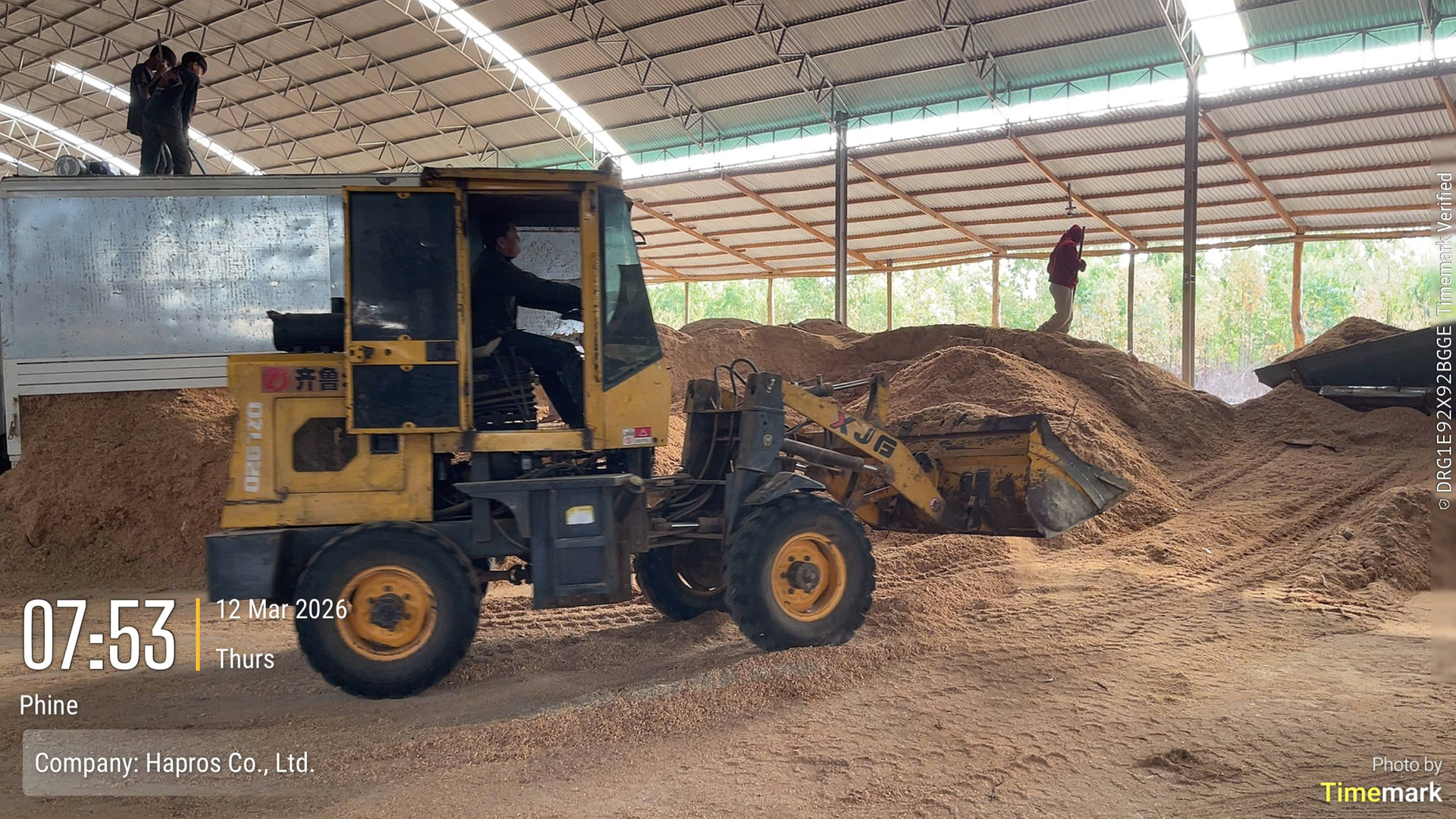
Raw materials have a major influence on charcoal performance.
Some manufacturers produce charcoal from:
• 100% hardwood sawdust
• Mixed hardwood sawdust
• Softwood sawdust
• Bamboo powder
• Agricultural biomass
• Recycled charcoal powder (for briquettes)
Each material produces different burning characteristics.
Why Buyers Ask This Question
The raw material directly affects:
• Burning time
• Heat output
• Ash content
• Smoke
• Odor
• Product consistency
The Real Purpose Behind the Question
Buyers want to understand why one supplier's charcoal performs differently from another's.
Professional manufacturers should clearly explain their raw material sources and how they maintain consistent quality.
Learn more: Premium Hardwood Sawdust Charcoal vs Acacia Sawdust Charcoal
3. Can You Provide Laboratory Test Reports?
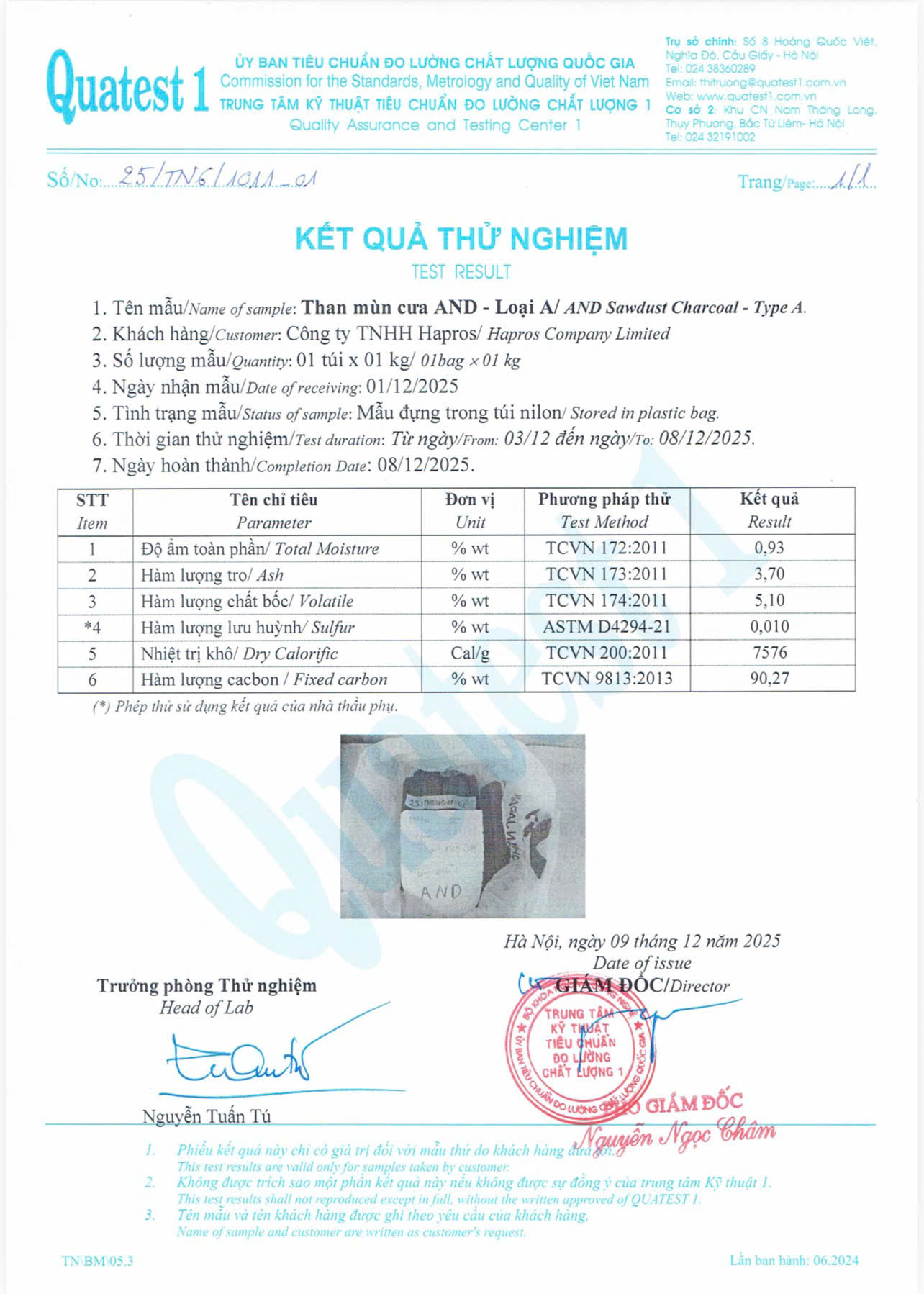
A quotation alone cannot prove product quality.
Independent laboratory reports provide objective evidence that the charcoal meets the advertised specifications.
Why Buyers Ask This Question
Test reports help verify:
• Fixed Carbon
• Ash Content
• Moisture
• Volatile Matter
• Calorific Value
The Real Purpose Behind the Question
The buyer wants proof—not promises.
Suppliers who regularly perform laboratory testing usually have stronger quality management systems.
4. What Packaging Options Do You Offer?
Many international buyers also require OEM sawdust charcoal Vietnam services, including custom carton printing, private labeling, and retail-ready packaging.
Packaging is much more important than many new importers realize.
It affects product protection, transportation costs, and retail presentation.
Common options include:
• Plain carton boxes
• Color printed cartons
• Offset printed packaging
• Kraft paper bags
• PP bags
• Private label packaging
Why Buyers Ask This Question
Different markets require different packaging styles.
Retail brands may need attractive printed cartons, while wholesalers often prefer simple packaging at a lower cost.
The Real Purpose Behind the Question
Buyers want to know whether the supplier can support their branding strategy rather than simply selling sawdust charcoal.
5. What Is Your Minimum Order Quantity (MOQ)?
Every supplier has different production requirements.
Some accept trial orders, while others require full container quantities.
Why Buyers Ask This Question
MOQ affects:
• Initial investment
• Inventory planning
• Cash flow
• Market testing
The Real Purpose Behind the Question
The buyer wants to know how flexible the supplier is, especially during the first cooperation.
6. What Is Your Monthly Production Capacity?
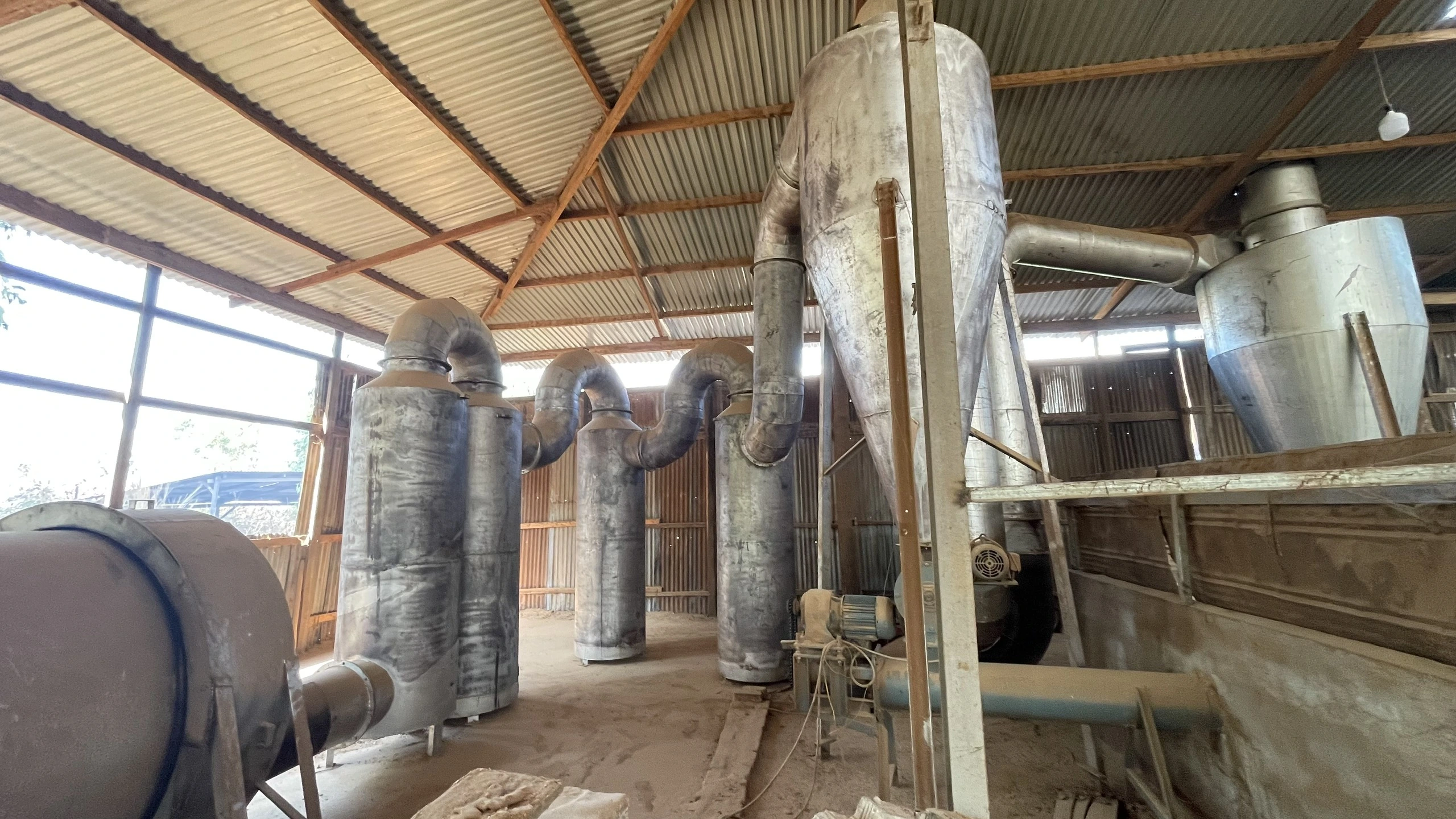
Production capacity becomes extremely important once repeat orders begin.
A supplier may produce excellent charcoal but still struggle to meet growing demand.
Why Buyers Ask This Question
Stable supply is essential for long-term business.
The Real Purpose Behind the Question
The buyer wants confidence that future orders can be delivered on time without sacrificing quality.
7. How Do You Control Product Quality?
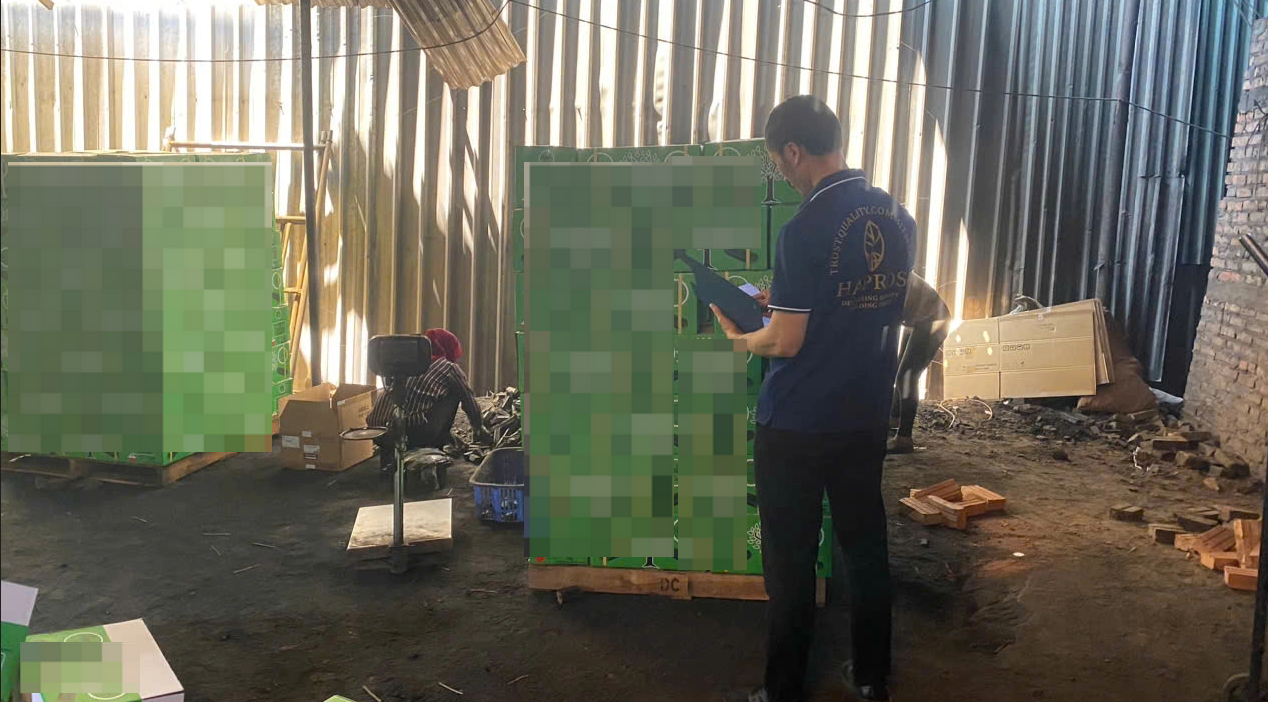
Quality should be controlled throughout production—not only before shipment.
Why Buyers Ask This Question
Professional manufacturers normally inspect:
• Raw materials
• Carbonization process
• Finished products
• Packaging
• Container loading
The Real Purpose Behind the Question
Buyers are evaluating whether quality is built into the production process or simply checked at the end.
Learn more: How to Evaluate Vietnam Sawdust Charcoal Quality
8. Can You Accept Third-Party Inspection?
Third-party inspections reduce purchasing risk, especially for first-time buyers.
Inspection companies such as SGS, Bureau Veritas, or Intertek can verify product quality before shipment.
Why Buyers Ask This Question
Independent inspections increase purchasing confidence.
The Real Purpose Behind the Question
Suppliers who welcome inspections usually have nothing to hide and are more confident in their manufacturing standards.
9. Which Countries Do You Currently Export To?
An experienced Vietnam charcoal exporter understands customs documentation, container loading, fumigation requirements, and international shipping procedures.
Export experience often reflects a supplier's professionalism.
Different countries have different product standards, packaging preferences, and documentation requirements.
Why Buyers Ask This Question
Experienced exporters understand:
• Shipping documentation
• Customs procedures
• Container loading
• International logistics
• Market requirements
The Real Purpose Behind the Question
Buyers want to reduce operational risks by working with suppliers who already understand international trade.
10. Can I Visit Your Factory?
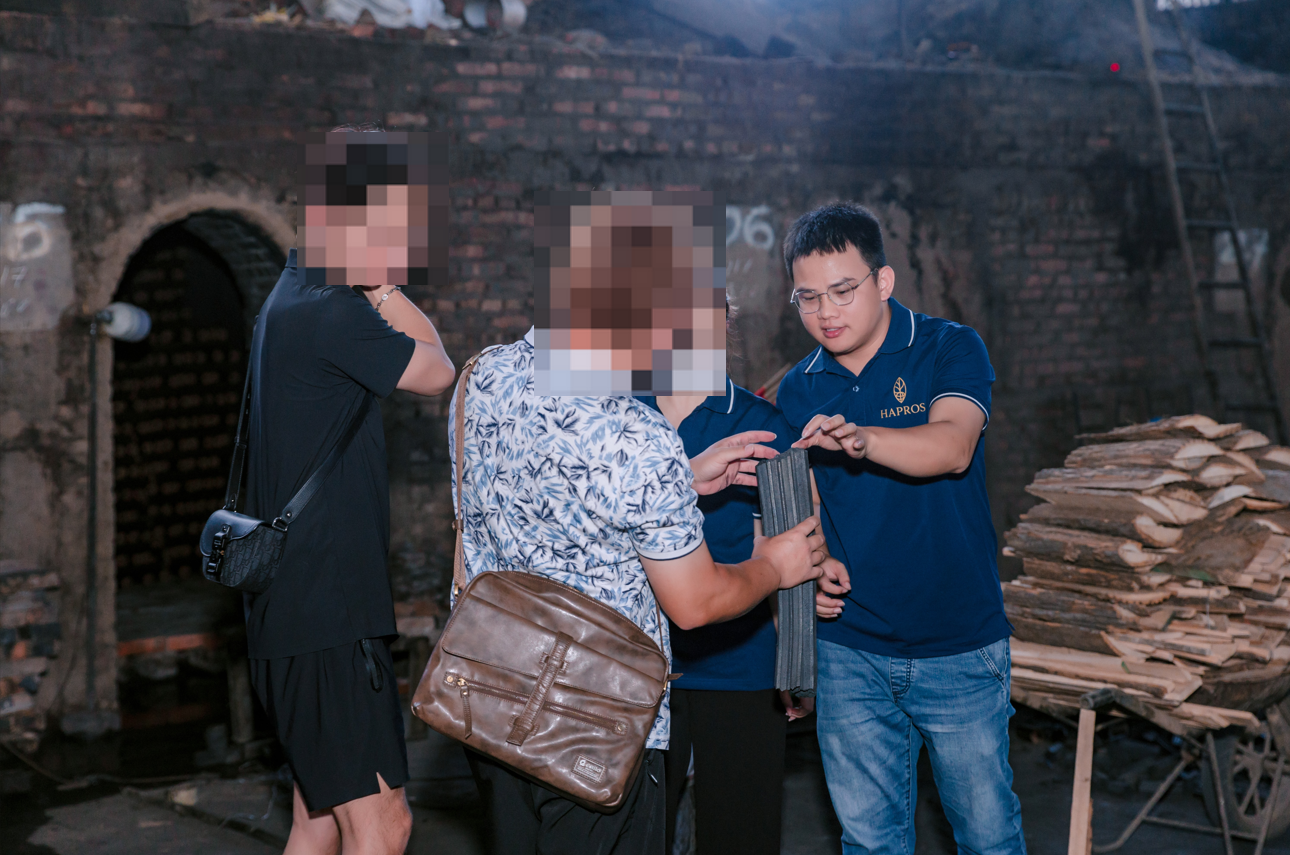
Visiting a Vietnam charcoal factory allows buyers to verify production capacity, quality control, and packaging processes before placing a large order.
During the visit, buyers can observe:
• Production lines
• Raw material storage
• Carbonization process
• Packaging area
• Warehouse management
• Quality control procedures
Why Buyers Ask This Question
Photos and videos only show part of the story.
The Real Purpose Behind the Question
The buyer wants to verify that the factory truly matches its online presentation and has the production capability it claims.
Professional suppliers usually welcome factory visits because transparency builds trust.
11. What Payment Terms Do You Accept?
Payment terms are one of the final factors before placing an order.
Common payment methods include:
• T/T
• Irrevocable L/C at Sight
• Deposit with balance before shipment
Why Buyers Ask This Question
Payment terms influence both risk and cash flow.
The Real Purpose Behind the Question
The buyer wants to know whether the supplier has experience working with international customers and offers commercially acceptable payment options.
12. How Will You Handle Quality Claims?
Even excellent suppliers occasionally face quality issues.
The difference lies in how they respond.
Why Buyers Ask This Question
No importer wants to discover the supplier's complaint process after a problem occurs.
The Real Purpose Behind the Question
The buyer is evaluating the supplier's professionalism, communication, and commitment to long-term cooperation.
One More Question That Buyers Often Forget
What Questions Does the Supplier Ask You?
Surprisingly, this may be the strongest indicator of a professional Vietnam sawdust charcoal supplier.
Experienced suppliers rarely jump straight to sending a quotation.
Instead, they usually ask questions such as:
► Which country are you importing to?
► Is the charcoal for BBQ or shisha?
► What specifications are most important?
► Do you sell wholesale or retail?
► Do you need OEM or private label packaging?
► What container quantity do you expect each month?
These questions help suppliers recommend the most suitable product instead of simply offering the lowest price.
A supplier who asks thoughtful questions is usually trying to build a long-term partnership rather than make a one-time sale.
Final Thoughts
Choosing the right Vietnam sawdust charcoal supplier is not about finding the cheapest quotation—it's about finding a manufacturer you can trust.
By asking the questions above, you can evaluate not only the product itself but also the supplier's manufacturing capability, quality management, export experience, and willingness to support your business over the long term.
In international trade, good communication before the first order often prevents costly problems after shipment.
The right questions today can lead to a reliable partnership for many years to come.